Mobile Home Exterior Colors
Paint is the highest-return upgrade a mobile or manufactured home can get. New skirting costs hundreds, new siding costs thousands — the right color scheme costs a few gallons and a weekend. Five complete recipes with real paint codes, and a way to see each one on your own home.
Five Complete Schemes That Work
A mobile home is a long, low box, which makes it easy to paint well: the whole scheme is three decisions — body, trim, skirting. A light, warm body makes a single-wide read larger and newer; a very dark one makes it sit lower and smaller. Codes are exact; judge the scheme on a photo of your home, not on this page.
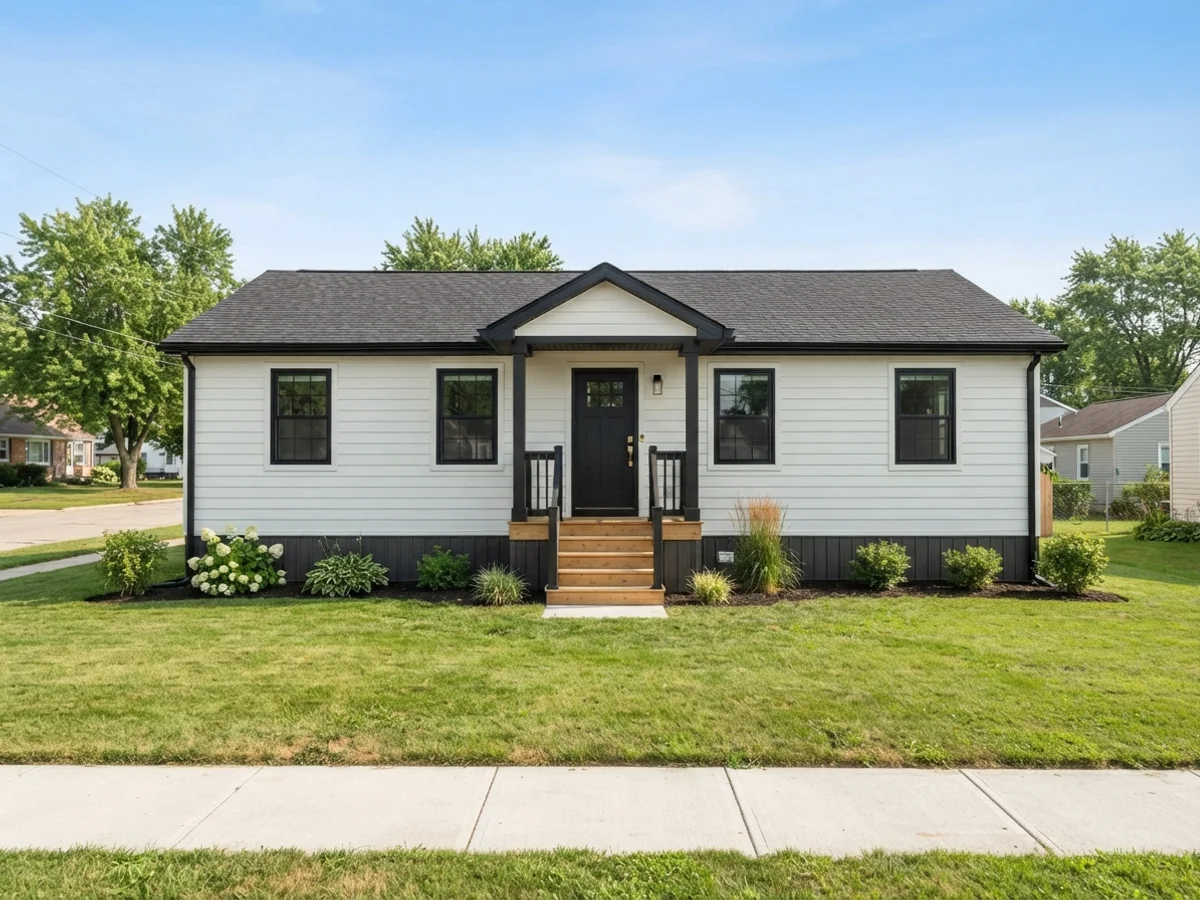
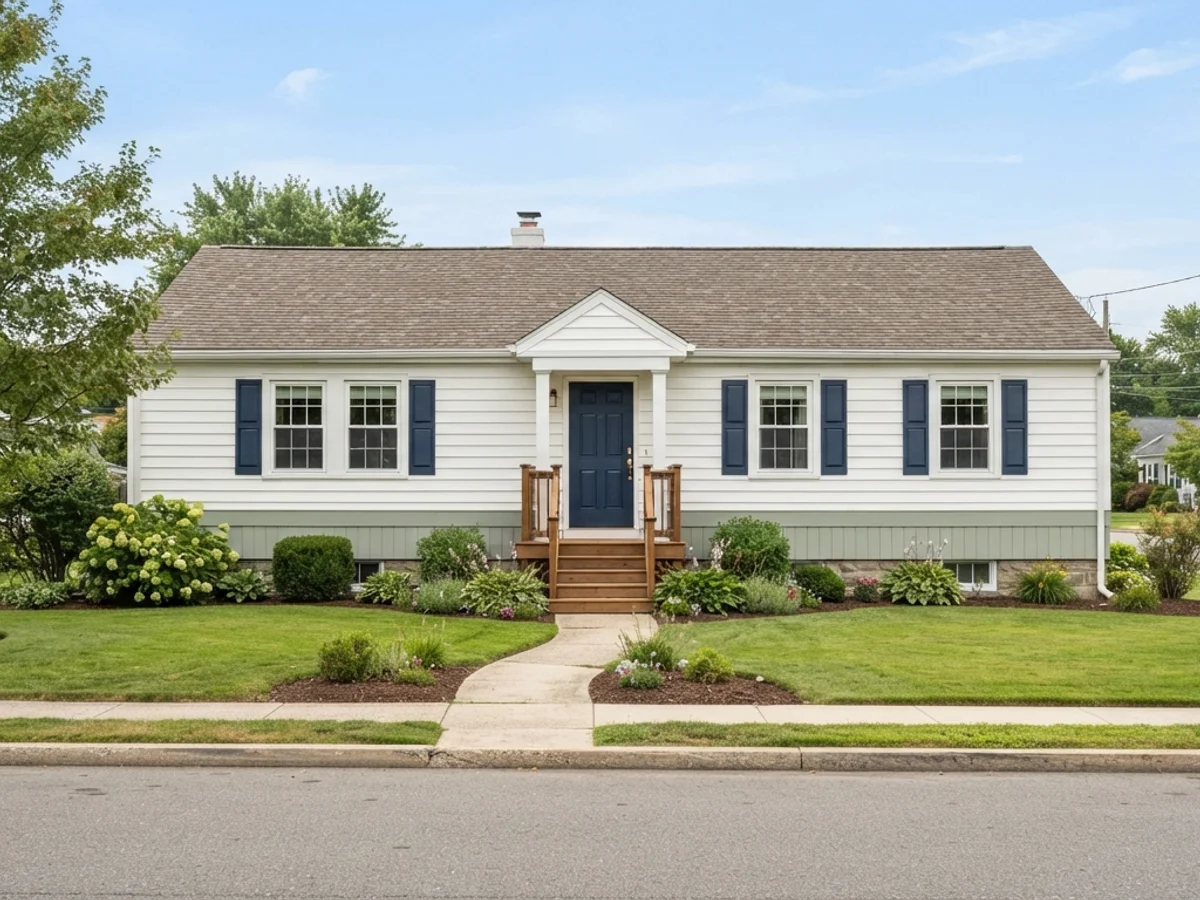
Crisp White + Black
The single biggest transformation per dollar. A bright white body makes old siding look new. Black trim, door, and skirting add the sharp modern-cottage edge you see on every renovated single-wide. Works on metal or vinyl, in sun or shade — if you are unsure, start here.
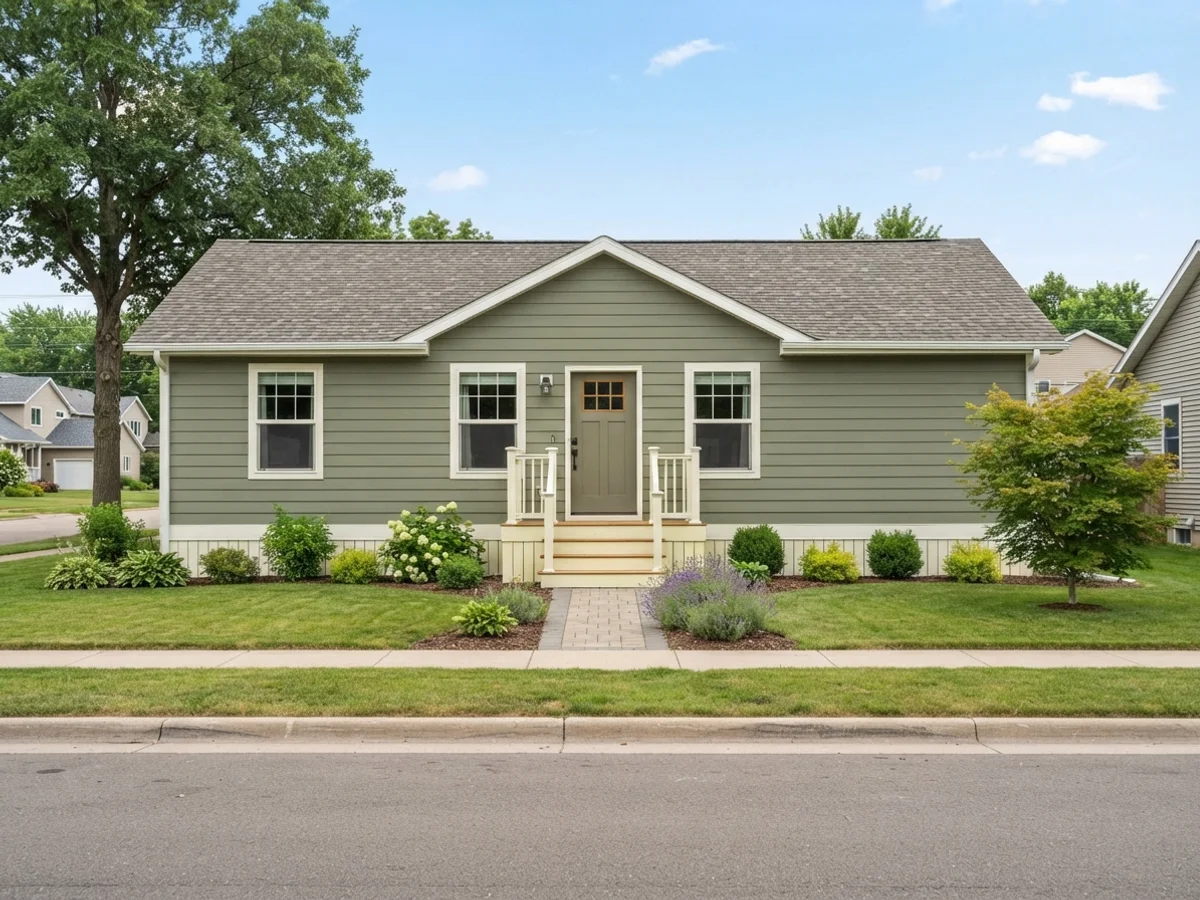
Sage + White Skirting
Soft green-gray reads calm and expensive. It sits beautifully against grass, trees, and gravel — the landscape most mobile homes actually have. White trim and skirting keep it light. Best on lots with greenery; less flattering on bare dirt pads.
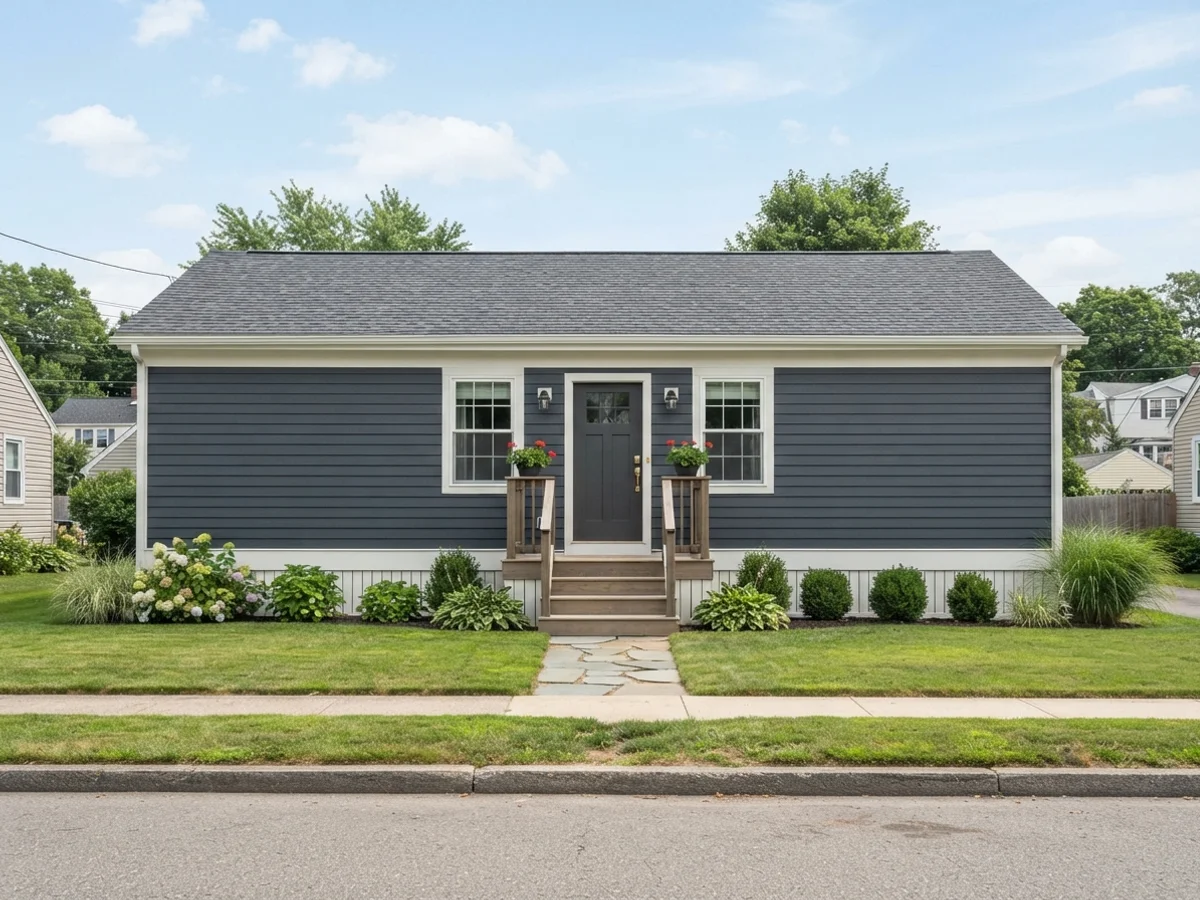
Navy Body + White Trim
The scheme that makes a manufactured home read like a site-built cottage. Deep navy hides panel seams and minor dents better than any light color. White trim around the windows does the "real house" work. On vinyl siding, confirm your panels are rated for dark colors first — see the vinyl section below.
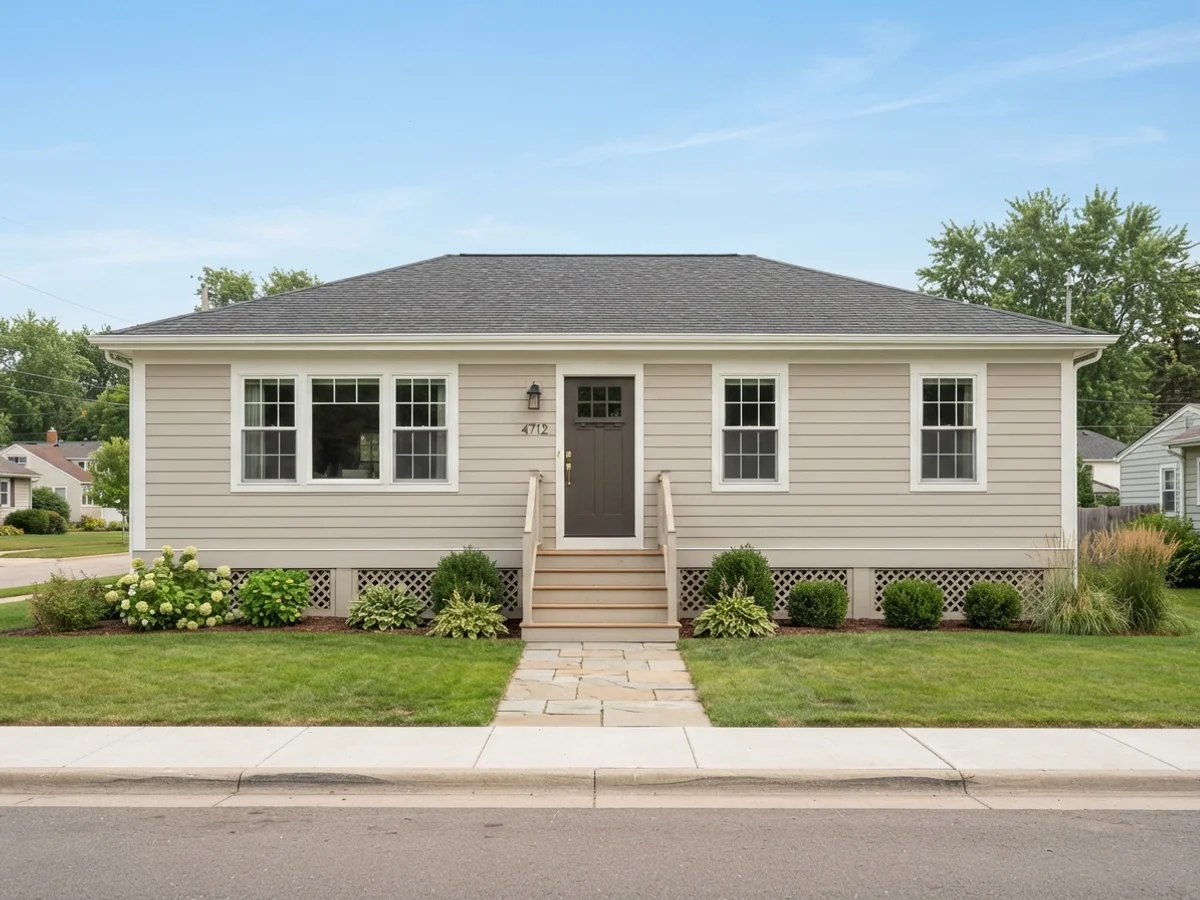
Warm Greige
The safest resale pick. A warm gray-beige body flatters every roof color, never looks dated, and hides road dust between washes. Creamy white trim keeps it from going flat; a bronze door adds just enough depth. Selling or renting the home? This is the one.
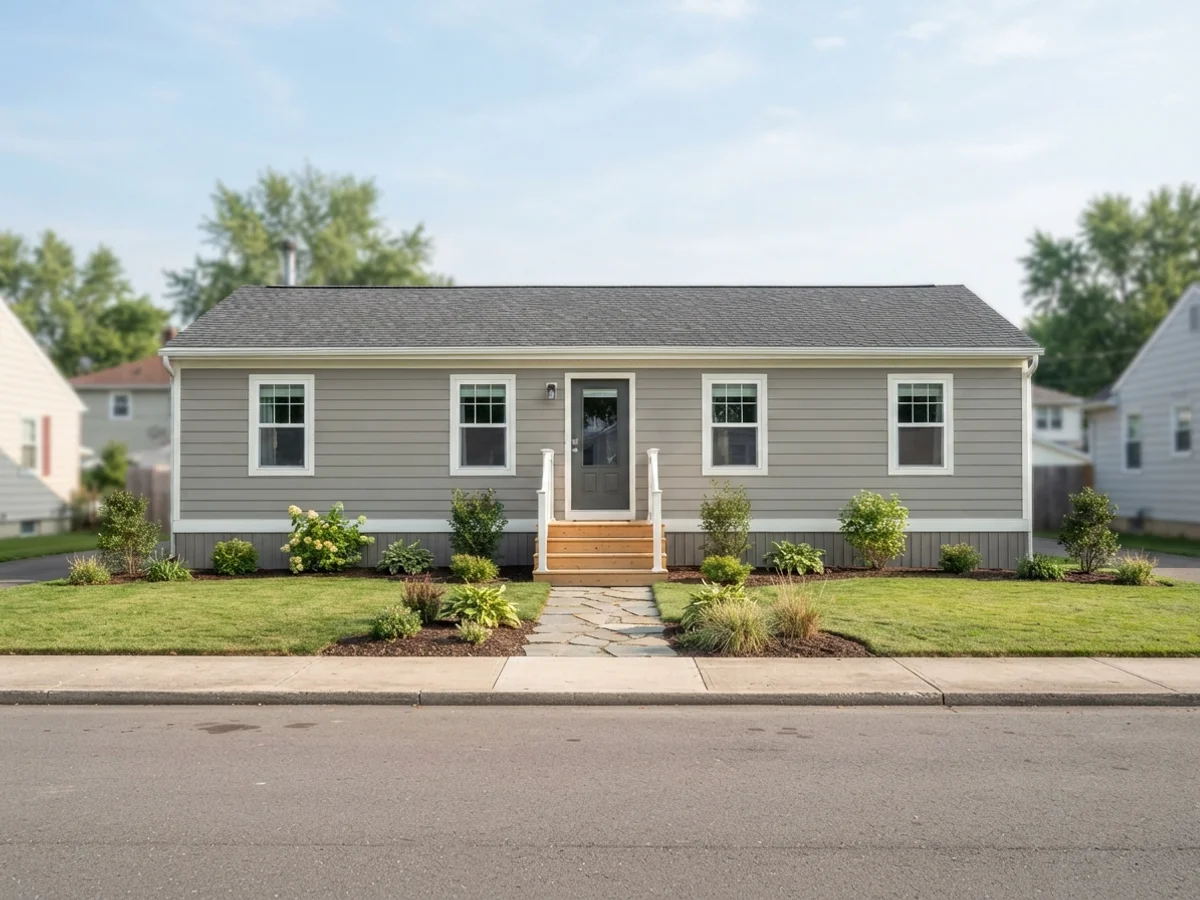
Two-Tone Gray, Darker Skirting
A mid gray body over clearly darker skirting anchors a long, low home to the ground — the eye reads the dark base as a foundation. White trim splits the two grays so the scheme stays crisp instead of murky. Excellent on single-wides, which need the grounding most.
Body, Trim, Skirting, Door
Body covers the siding. Trim matches the window frames. Skirting is the one slot that does the most work: painted darker than the body, it reads as a foundation.
If you change only one thing beyond the body color, make it the skirting. A skirting band painted darker than the body — charcoal under white, deep bronze under greige — reads as a foundation. Left light or mismatched, skirting reads as what it is: a panel hiding the gap. This one gallon of dark paint does more for curb appeal than anything else on this page.
Trim is the second trick: paint the window surrounds and corner trim to match the window frames — usually white, black if your frames are dark. Matched trim makes small mobile-home windows read as larger, deliberate features, the way they do on a cottage or a low ranch. Then spend your accent color on the front door, where one quart buys the most personality per dollar on the whole exterior. Because the visualizer works from your photo, you can test body, trim, skirting, and door together and judge the whole scheme in your real light — start with your own photo rather than someone else's Pinterest board.
Upload the photo. The visualizer paints each surface separately, and you can swap any one slot without starting over.
Five Mobile Home Looks, Rendered
Curated looks from our exterior render set. Each one opens the visualizer with its siding, trim and door colors already loaded.
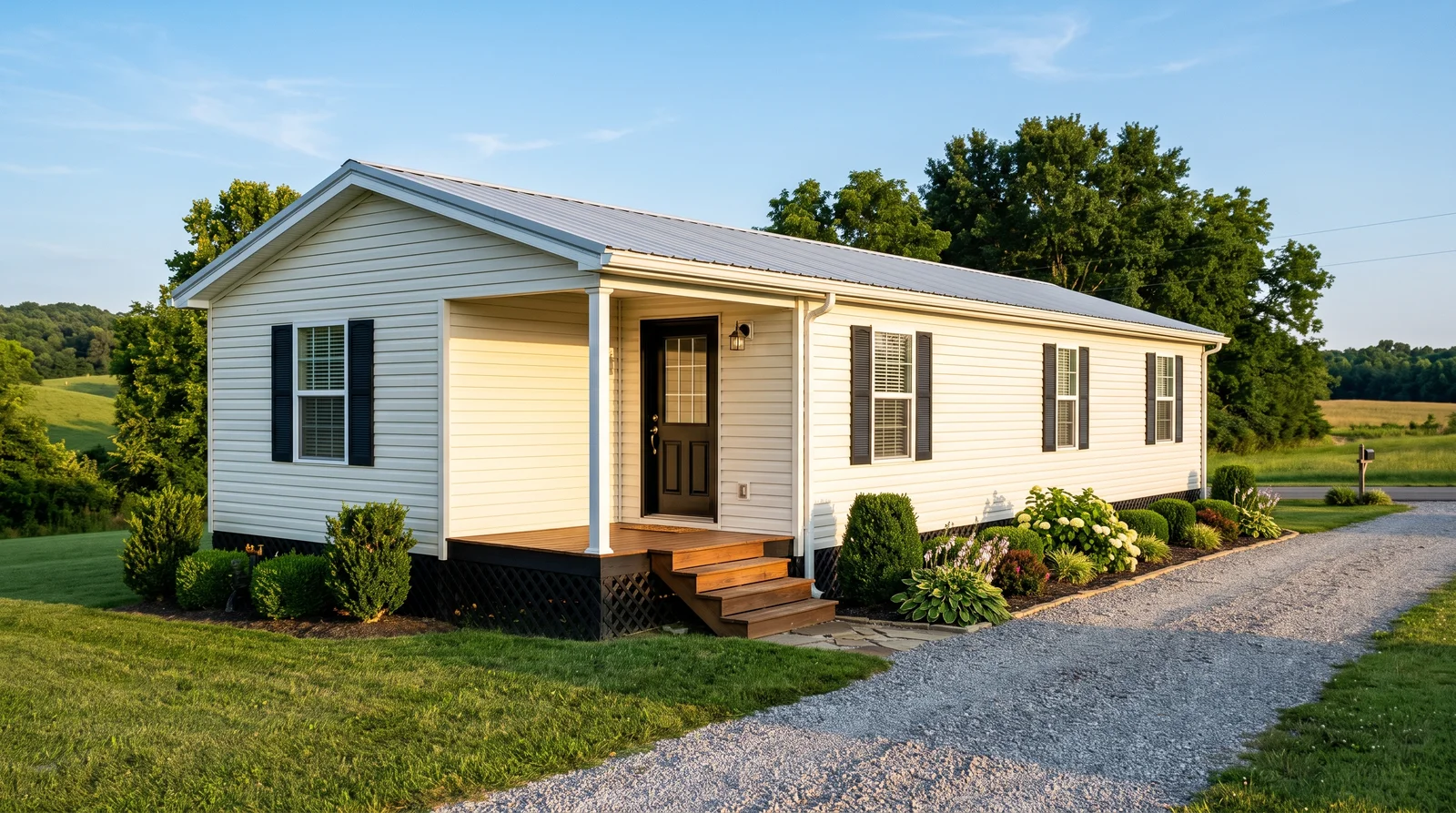
The cheapest-looking upgrade there is: clean soft white siding, crisp trim, and black shutters that give a long single-wide real front-door focus.
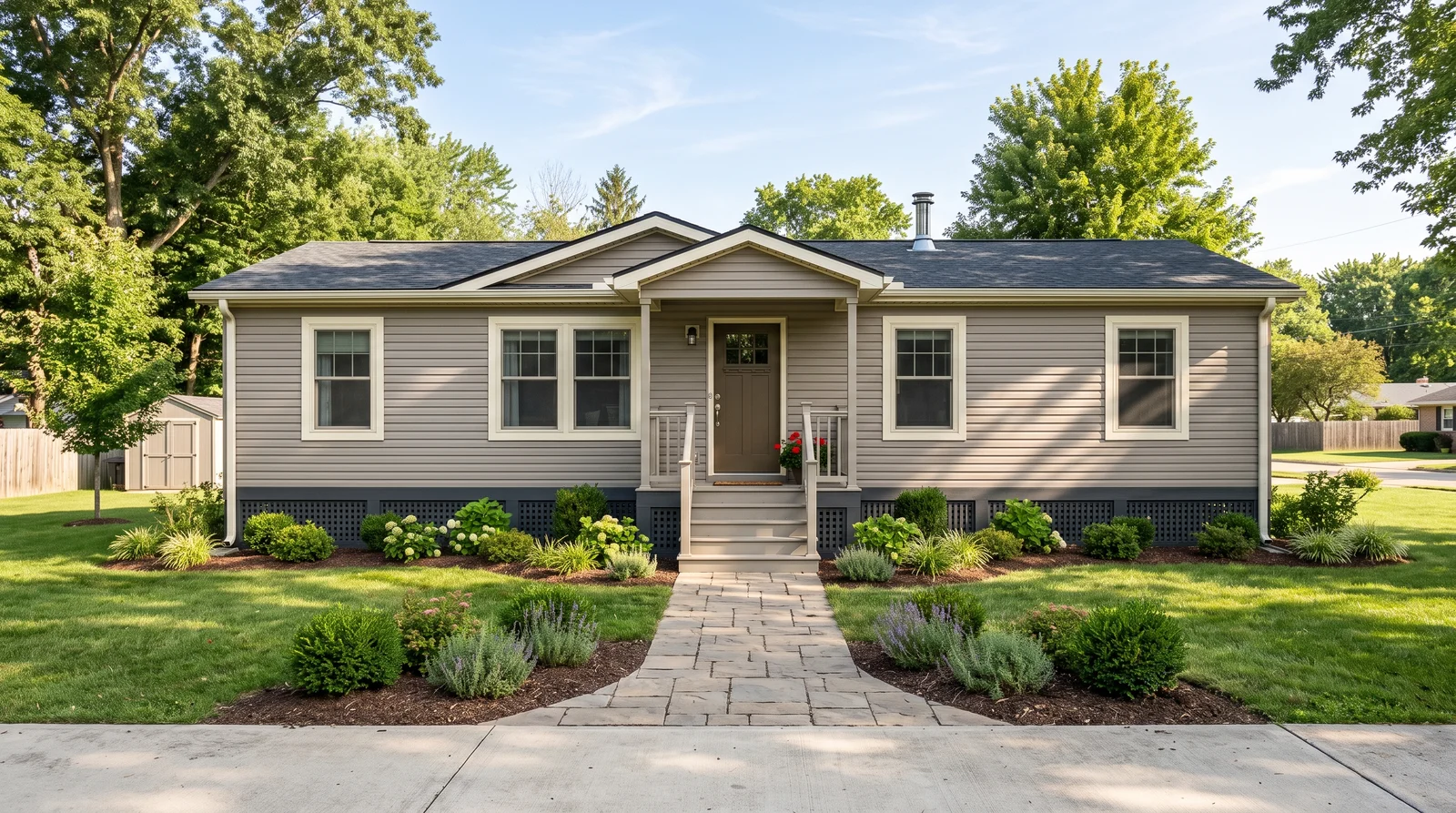
Greige siding above, charcoal skirting below — the two-tone trick that makes a home look like it is sitting on a foundation instead of on blocks.
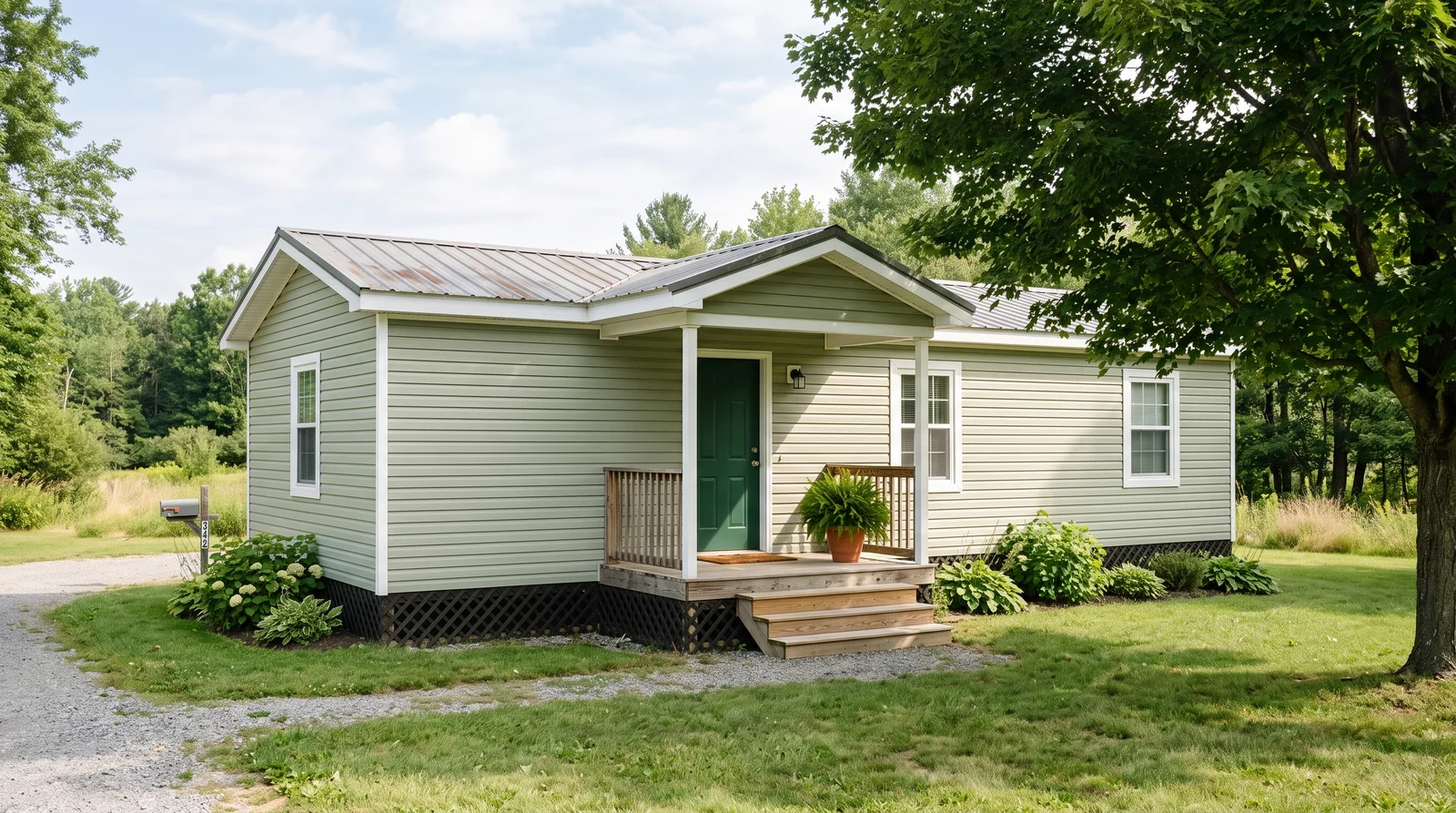
A light sage green that reads calm and current, and settles a single-wide into a green lot instead of fighting it.
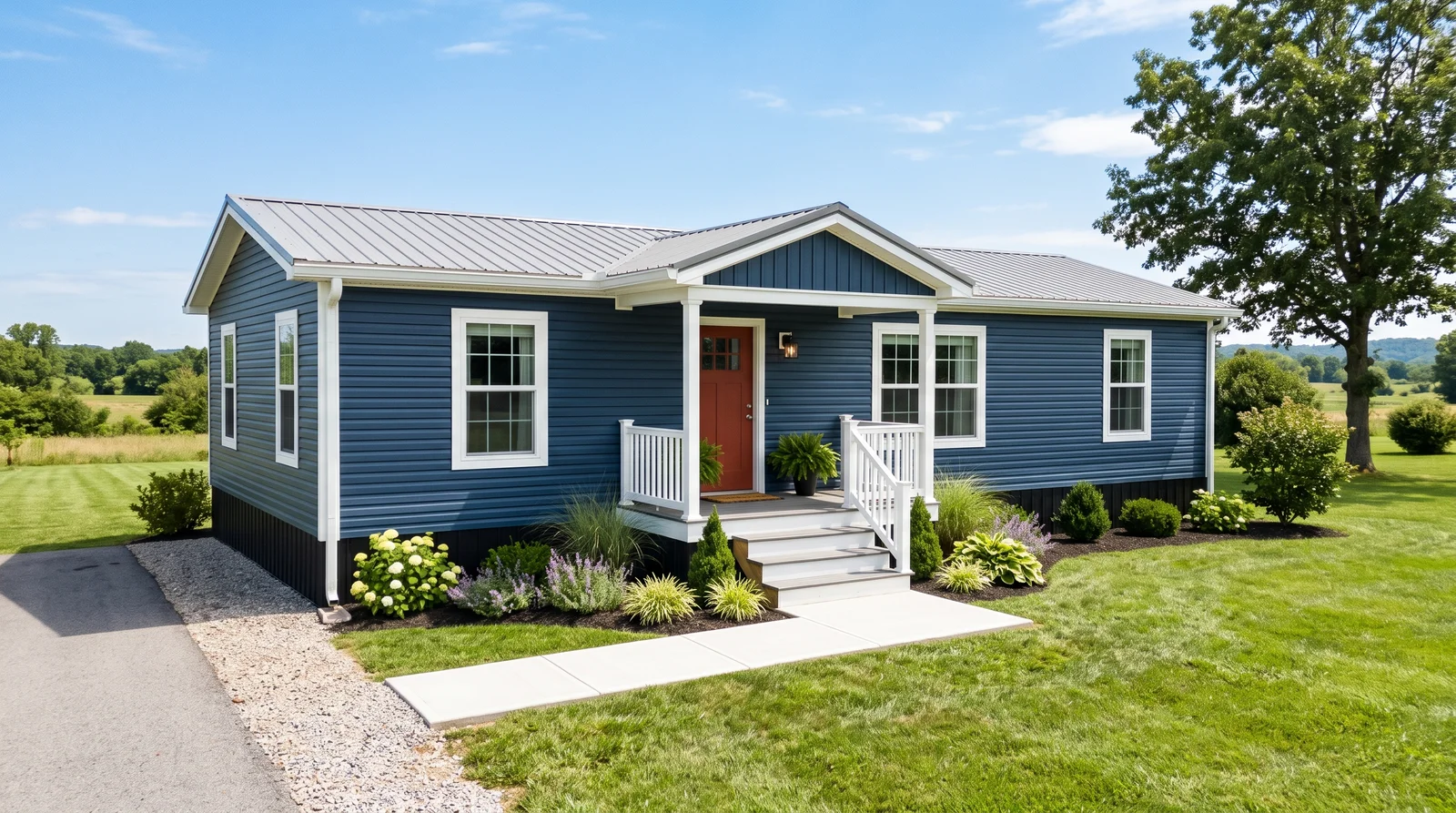
The boldest look on the page, and the one with a real rule attached: navy siding belongs on metal, or on vinyl only in a vinyl-safe formula.
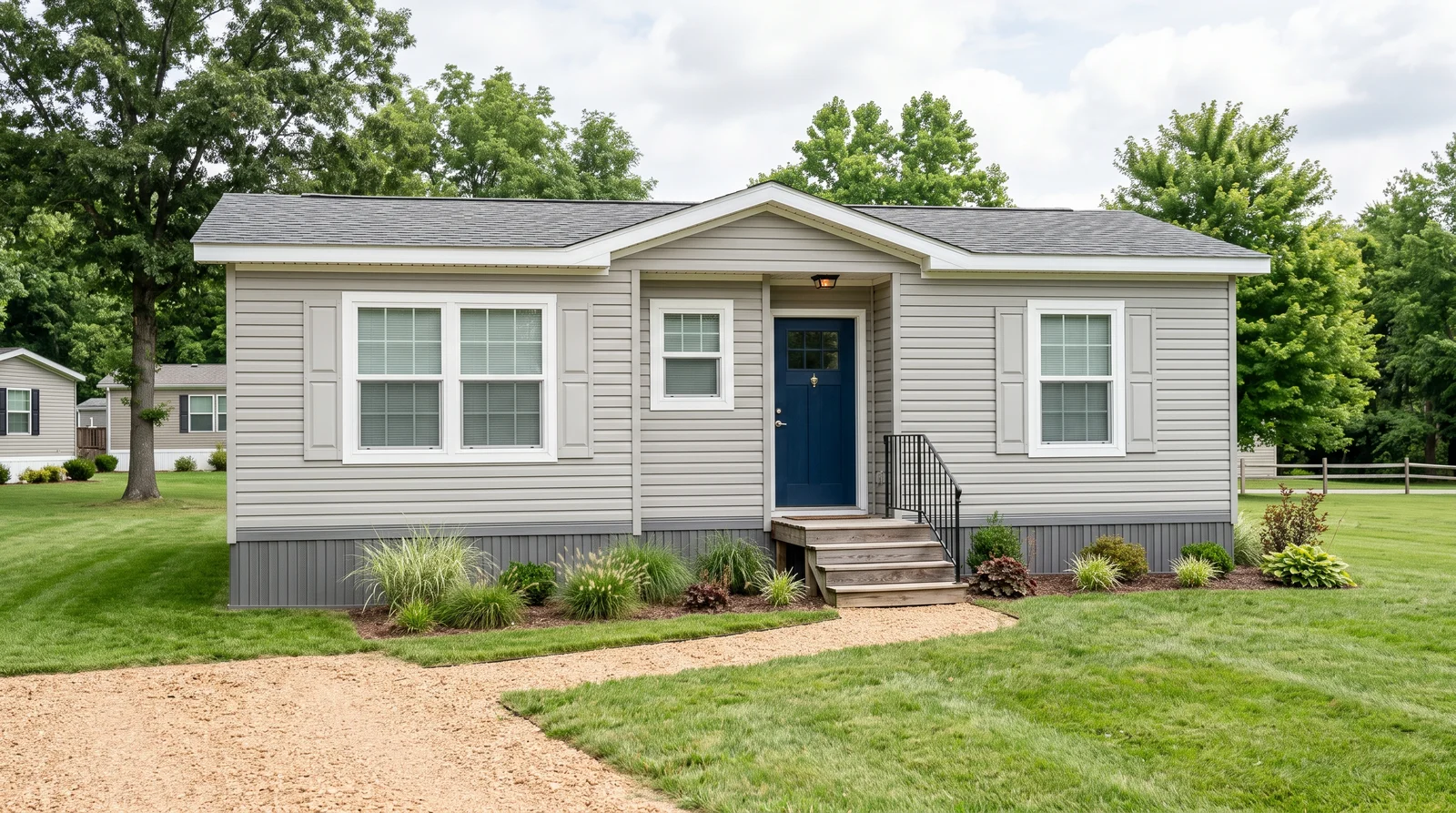
A pale warm gray that looks new and current, with one blue door doing all the personality work.
From Chantilly Lace to Naval
White with dark trim leads by a wide margin, then greige, then sage and navy for more personality. Hover for the name, click to try it.
Painting Metal vs. Vinyl Siding
Most mobile homes wear one of two skins, and each has one rule that decides whether the paint lasts.
The Enemy Is Chalk
- Sun breaks the factory finish into powdery oxidation — if a hand wipe comes away white, wash it off first
- Scrub with a TSP-substitute and house wash, rinse hard, let it dry
- Spot-prime bare or rusty metal with a rust-inhibiting primer, then a bonding primer over the whole wall
- Prepped right, a quality acrylic holds a decade — and dark colors hide seams and dents best
The Enemy Is Heat
- Vinyl expands with heat and panels are engineered around their original color
- A much darker color absorbs more sun than the panel was designed for — that is how panels buckle and warp
- Use an exterior acrylic labeled vinyl-safe
- Stay at or lighter than the current color unless the line is rated for dark colors on vinyl; sound, clean vinyl usually needs no primer
The $300 Repaint, Planned Right
Run the numbers before the store does. Two places not to save, two places to save happily.
Paint Quantity
A single-wide body takes roughly 5 to 7 gallons, plus one gallon for the trim — the whole shopping list.
Don't Skimp: Primer
Bonding primer on chalky metal is the cheapest gallon in the cart deciding whether the other six stay on the wall. Buy the real thing.
Don't Skimp: Brush
The body forgives a rough tool; the crisp line around a window does not, and that line is what the whole scheme reads by from the street.
Save Here: Body Paint + No Sprayer
A mid-tier line covers the body fine — it is the most forgiving surface. And skip the sprayer: it loses paint to wind, a roller does the wall in a weekend with none of the apologies.
More Mobile Home Colors That Work
Eight more proven exterior colors — crisp whites, deep navies, soft sages, and warm greiges that hold up on long horizontal siding. Click one to try it as the body.
Mobile Home Color FAQ
Should I paint metal and vinyl siding differently?
Yes. On metal, wash off the chalking, spot-prime any bare or rusty spots, and coat the whole wall with a bonding primer — prepped that way, a quality acrylic holds for a decade, and metal is where dark colors shine. On vinyl, use an exterior acrylic labeled vinyl-safe and stay at or lighter than the current color unless the line is rated for dark colors, since darker paint absorbs more heat than the panel was engineered for. Sound, clean vinyl usually needs no primer at all.
How much paint does a single-wide need?
Roughly 5 to 7 gallons for the body, plus one gallon for the trim — a full exterior for about the cost of one run of replacement skirting panels.
What is the single best upgrade beyond the body color?
A skirting band painted darker than the body. It reads as a foundation, and a home that looks founded looks permanent — one gallon of dark paint does more for curb appeal than anything else on this page.
Is spraying or rolling better on a mobile home?
Rolling, usually. A sprayer is faster but loses paint to every gust and finds every car parked within drifting distance; when lots sit close together, a roller does the same wall in a weekend with none of the apologies.
Related Styles and Surfaces
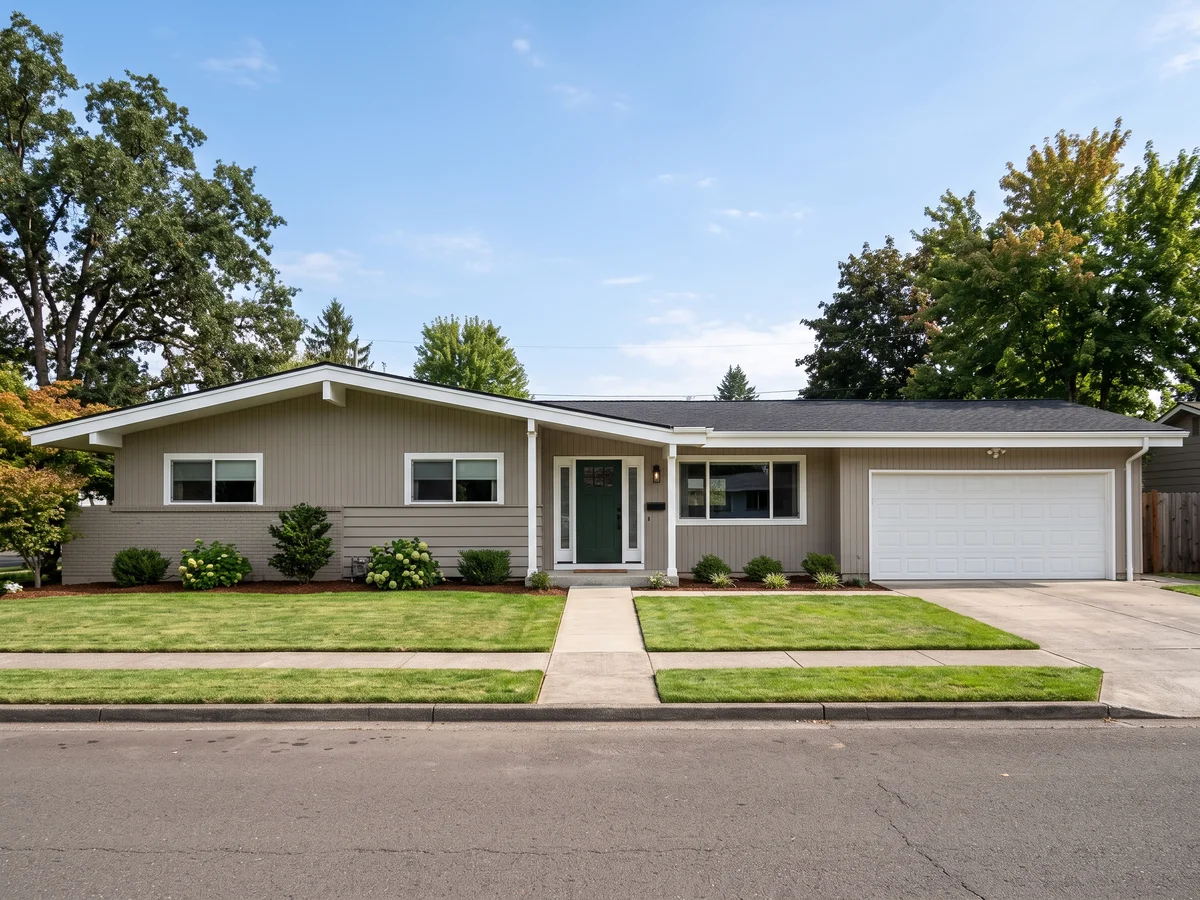
Colors that give a long, low facade real presence
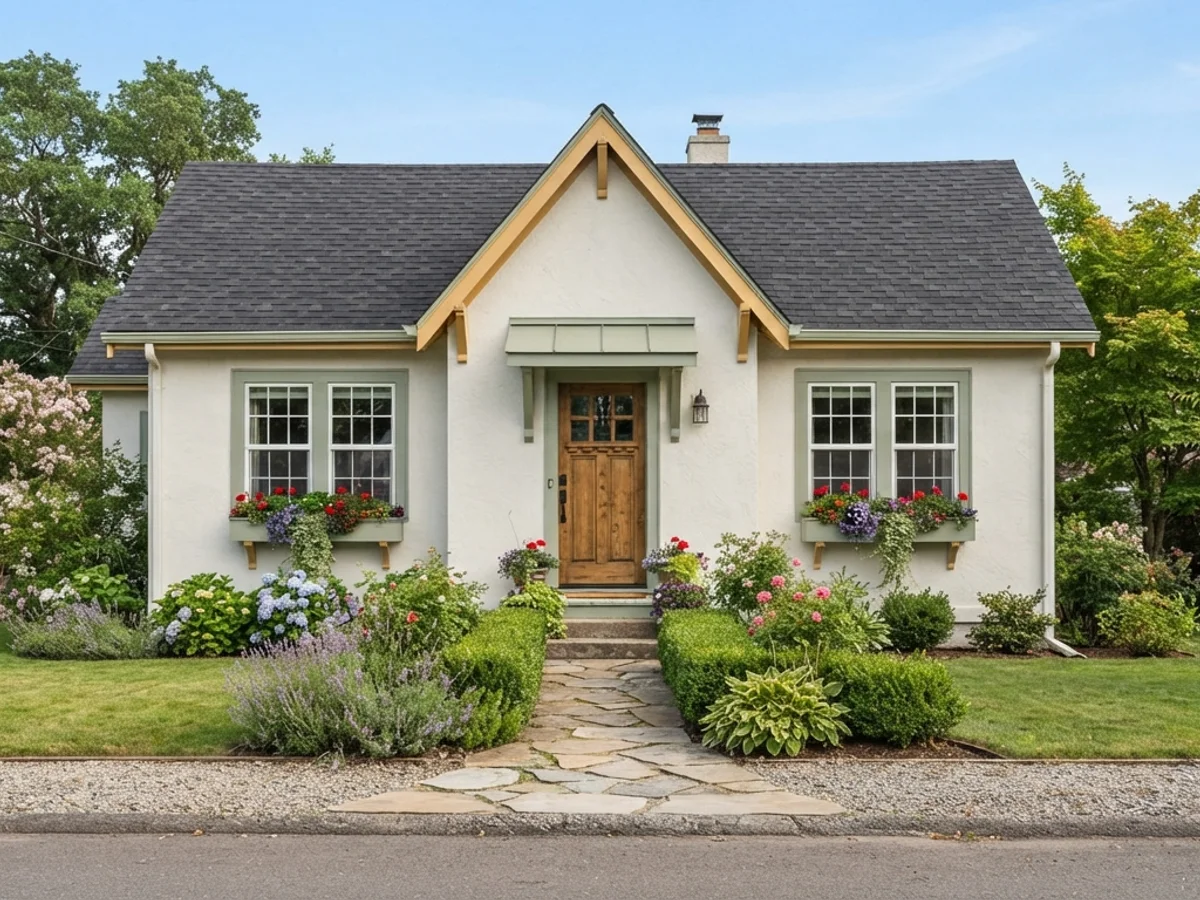
Soft, storybook palettes on a budget
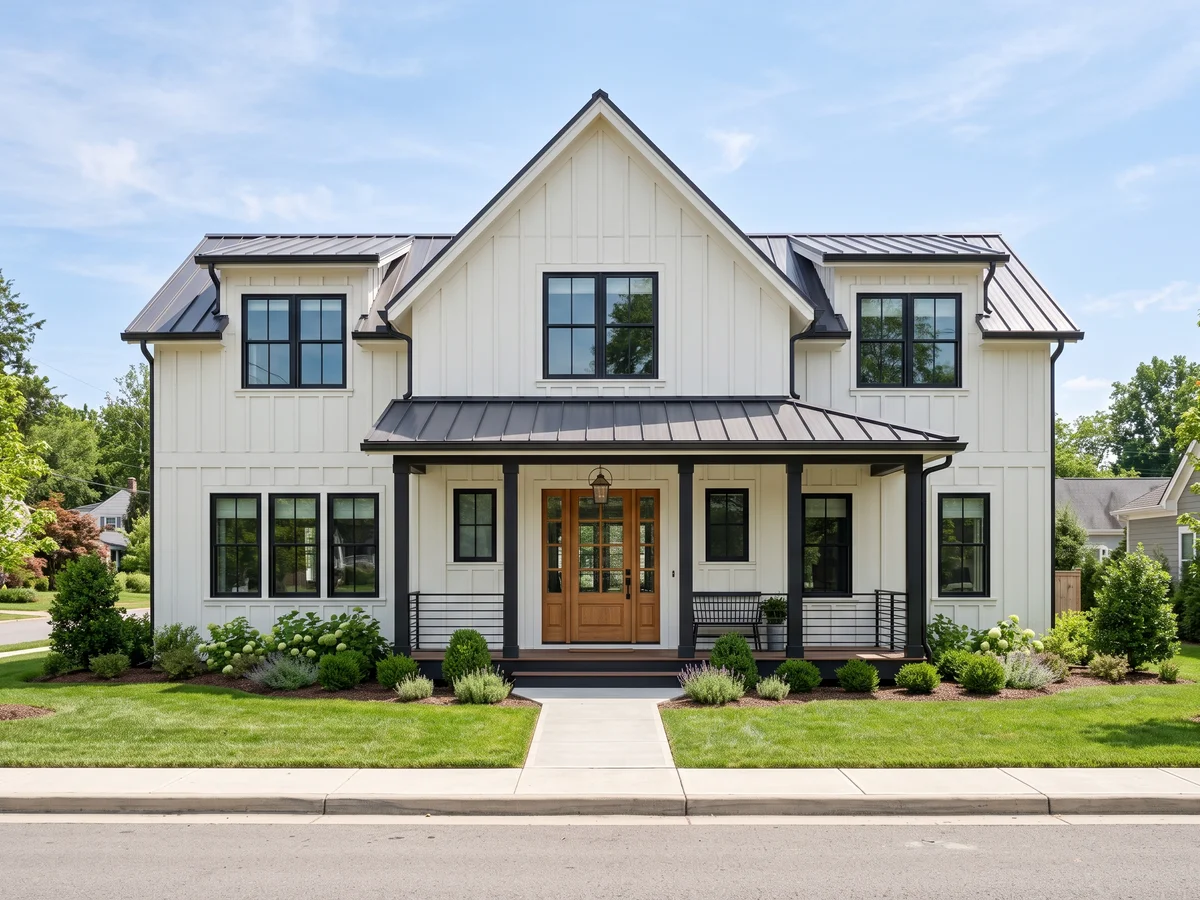
The white-and-black formula, budget-friendly too
One photo of your mobile home, every scheme on this page — free to start.