See Your Fence in Any Stain Color
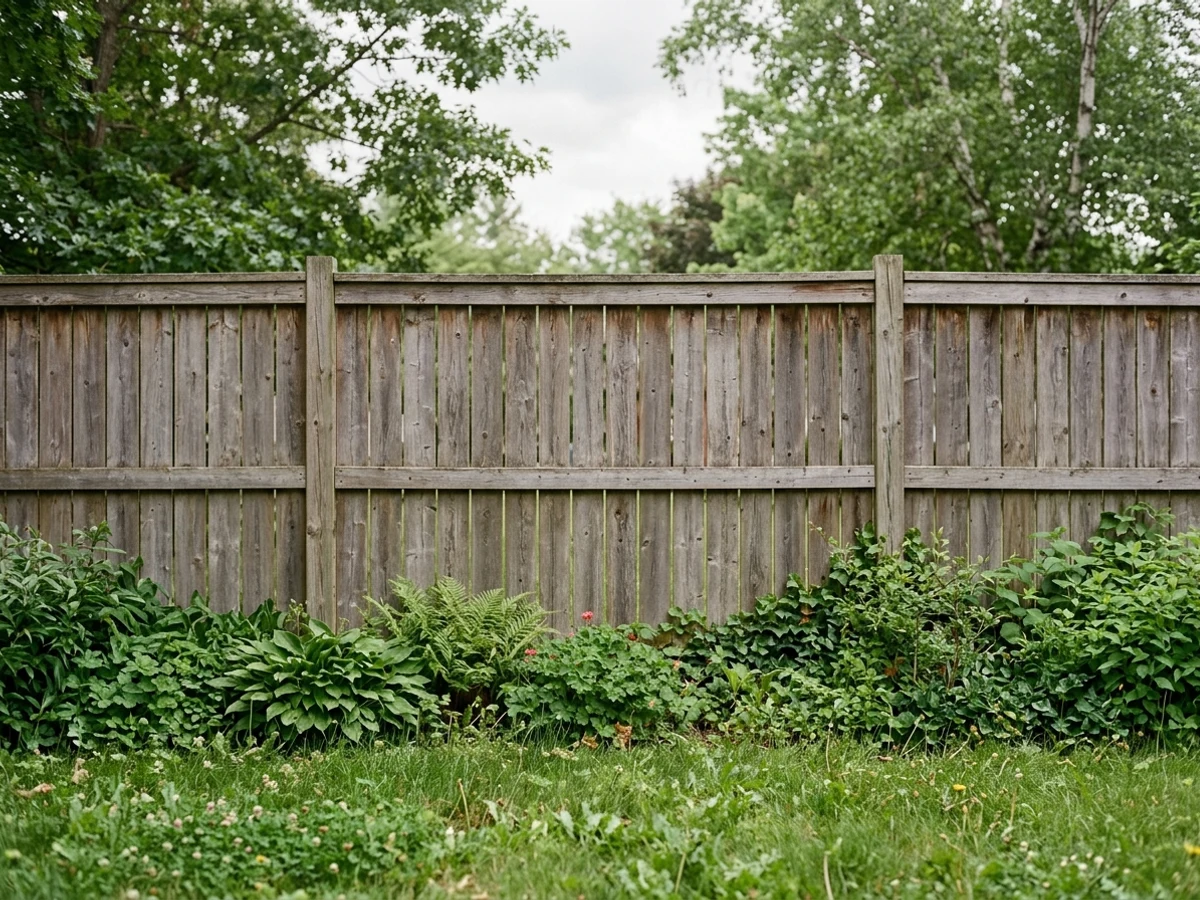
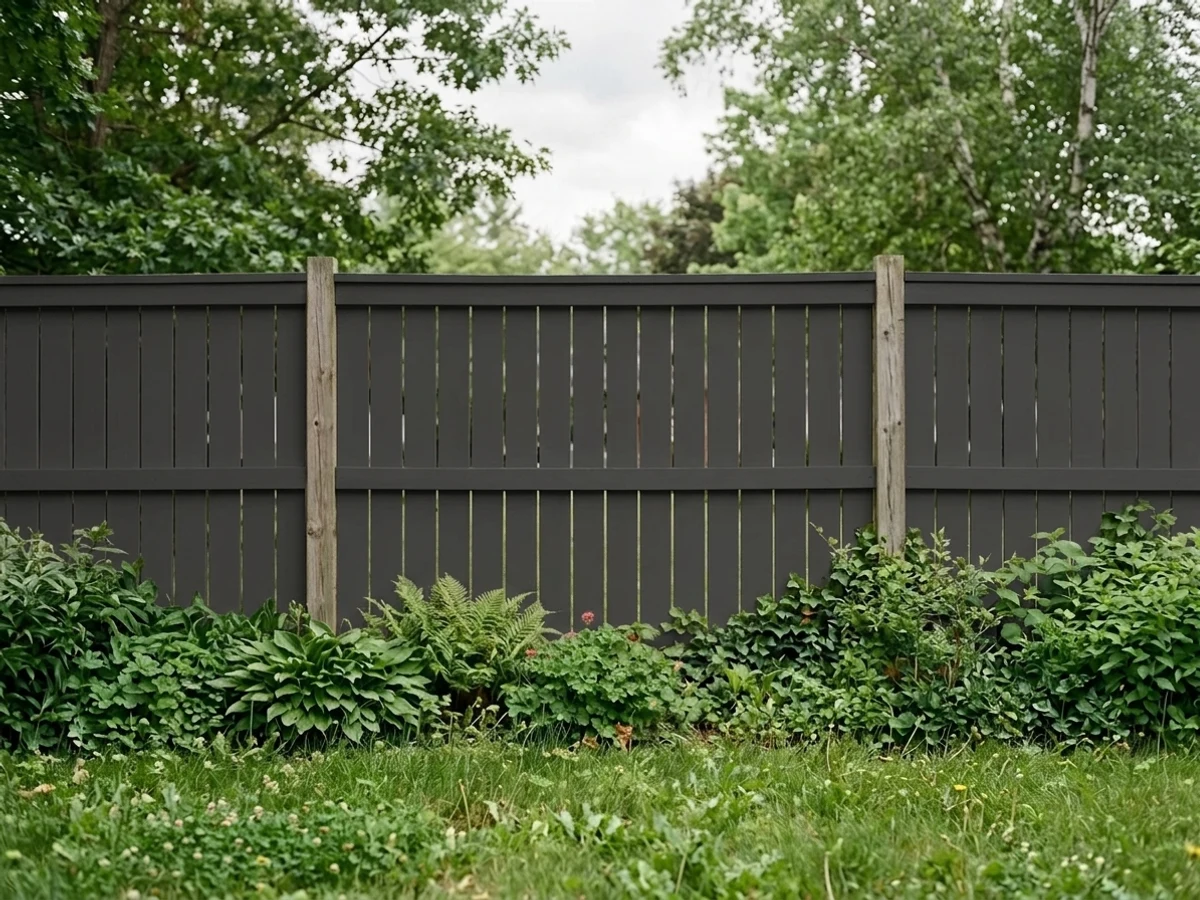
Upload a photo of your yard. See the fence re-stained — modern black, warm cedar, weathered driftwood gray — while the boards keep their grain and the lawn, plants, and house stay exactly as they are.
The Fence Colors That Keep Getting Chosen
Real paint and stain colors with real codes, rendered on the same fence so the tones compare honestly. Tap one to load it onto your own photo.
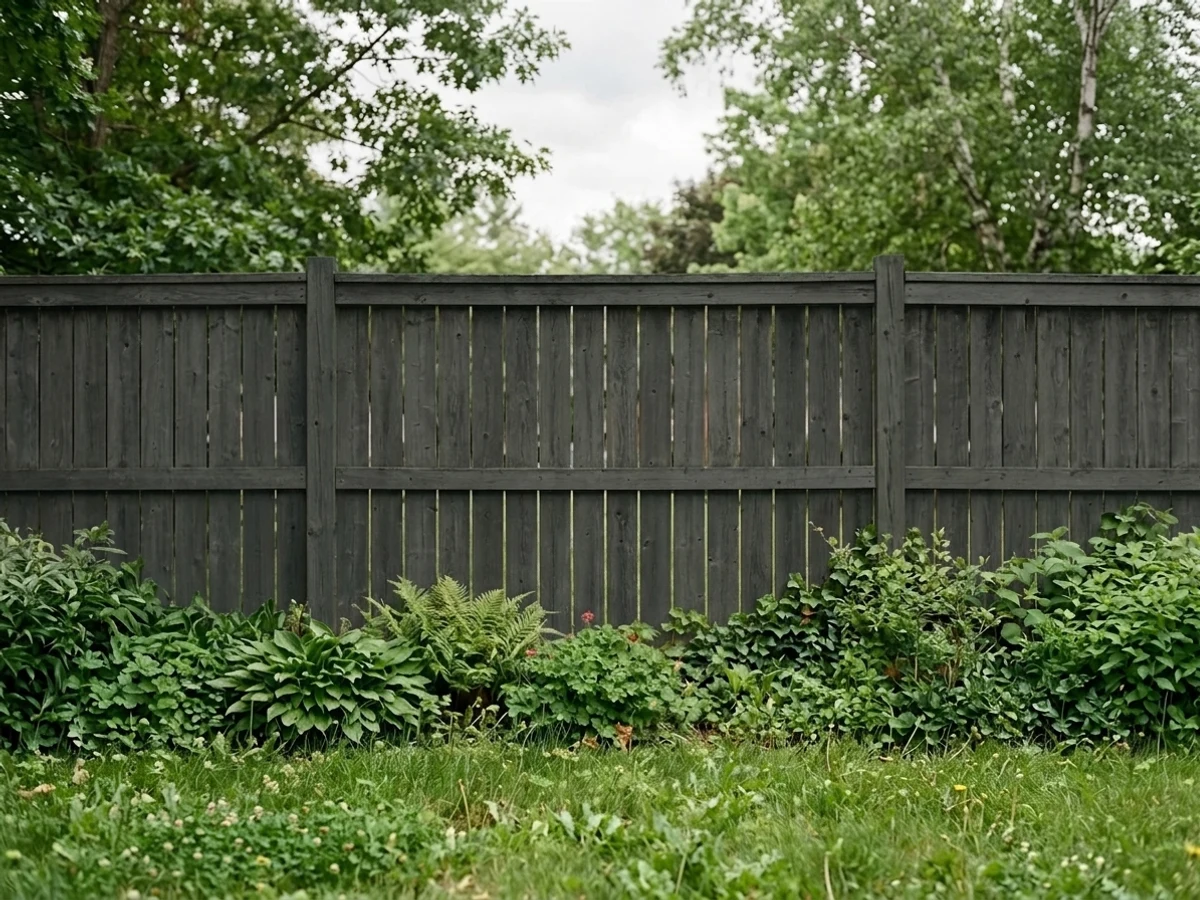
Soft near-black — the safest way into the black-fence trend.
Stain my fence in Wrought Iron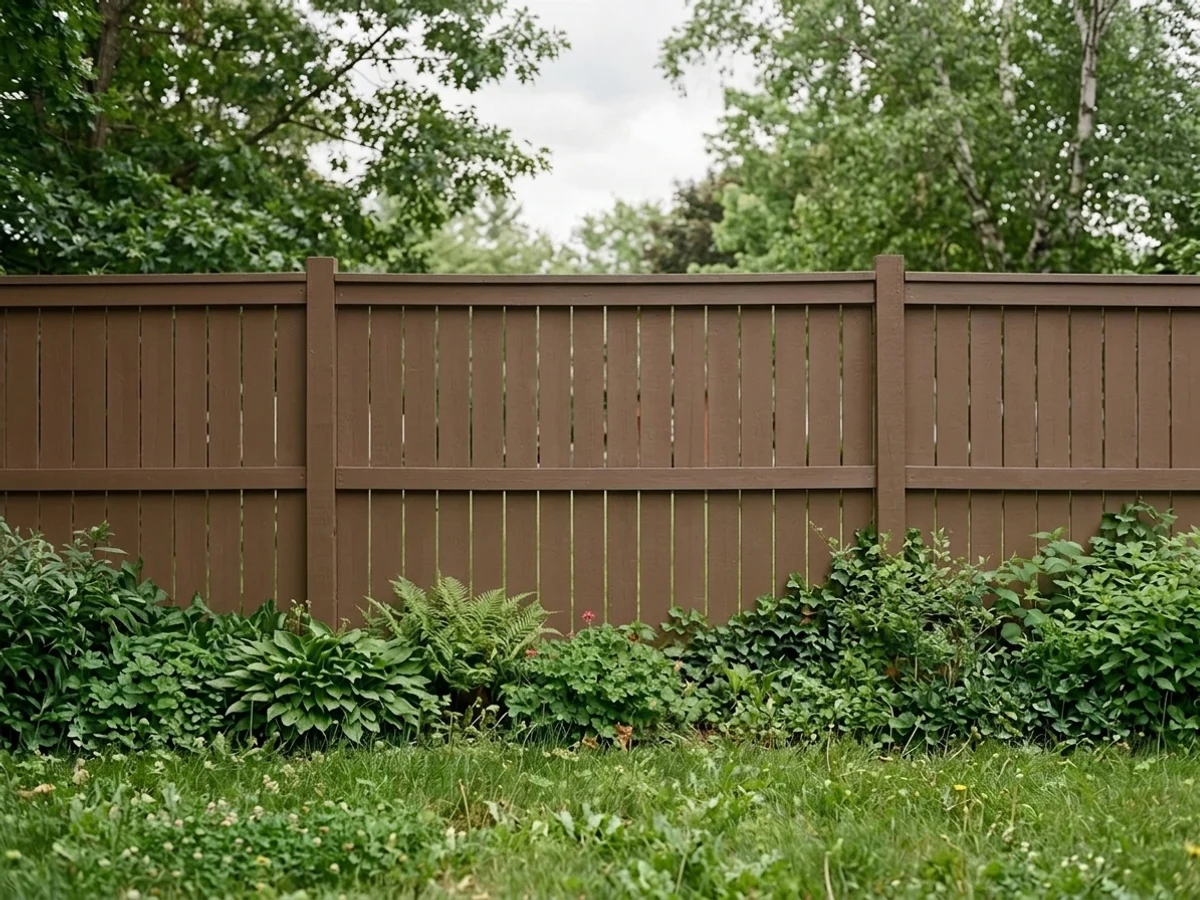
The classic well-kept-wood brown — warm without going orange.
Stain my fence in Rookwood Brown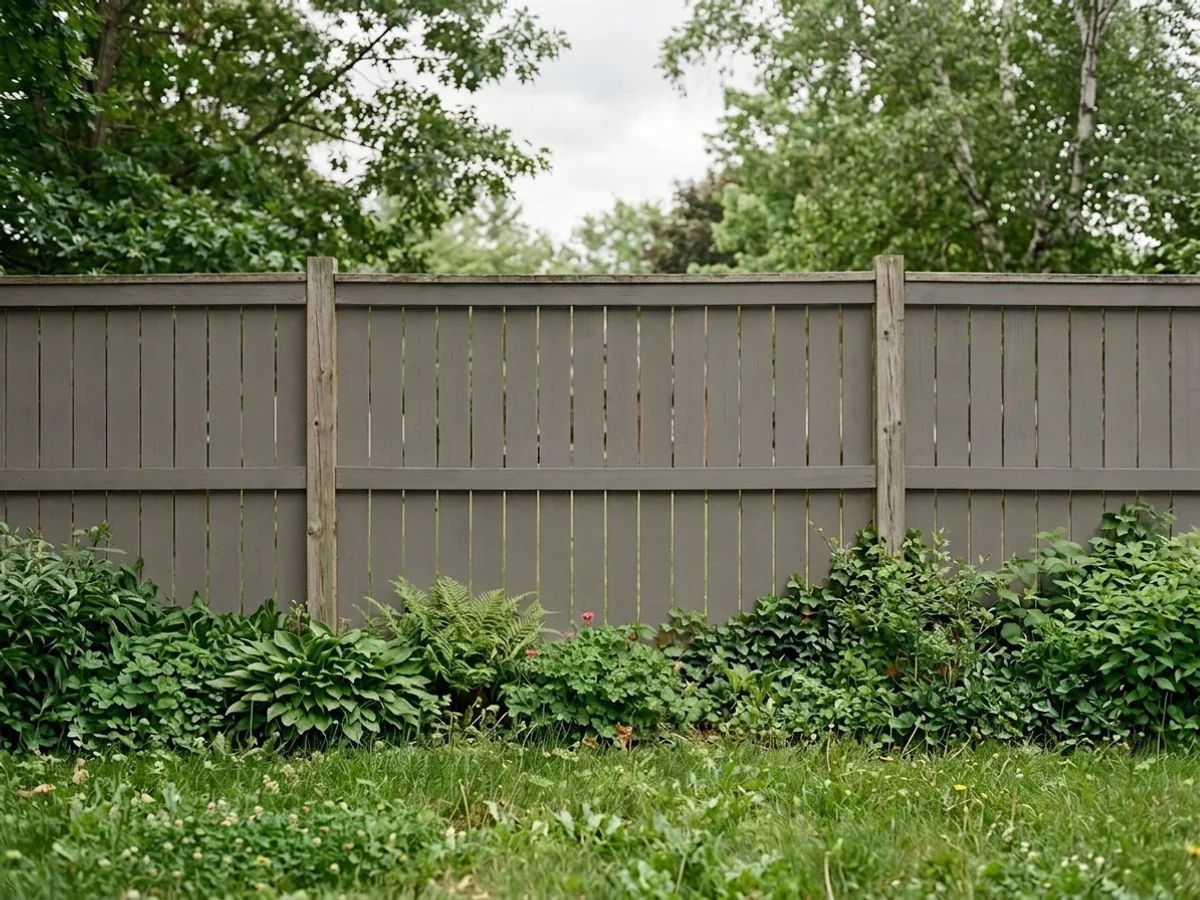
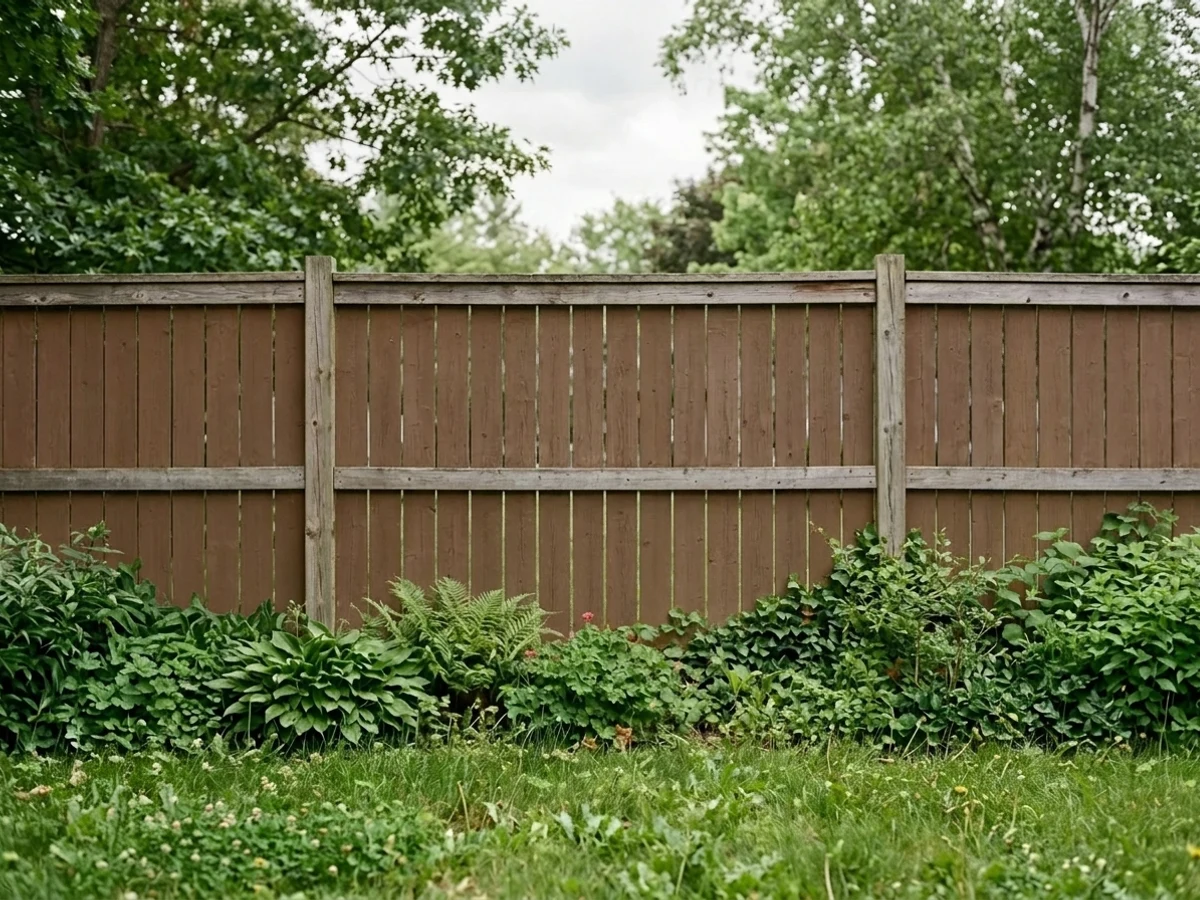
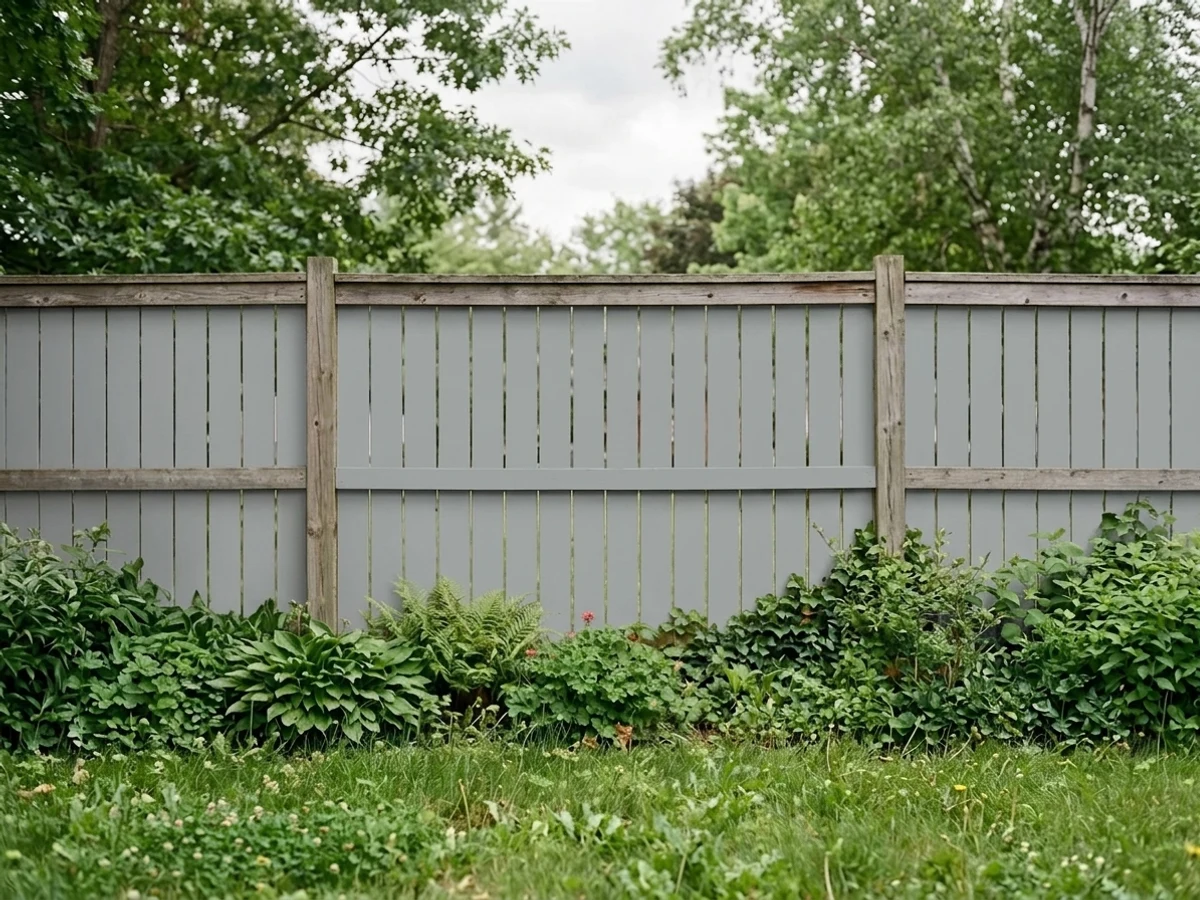
The mid-gray that reads as perfectly weathered wood, minus the wait.
Stain my fence in Gauntlet Gray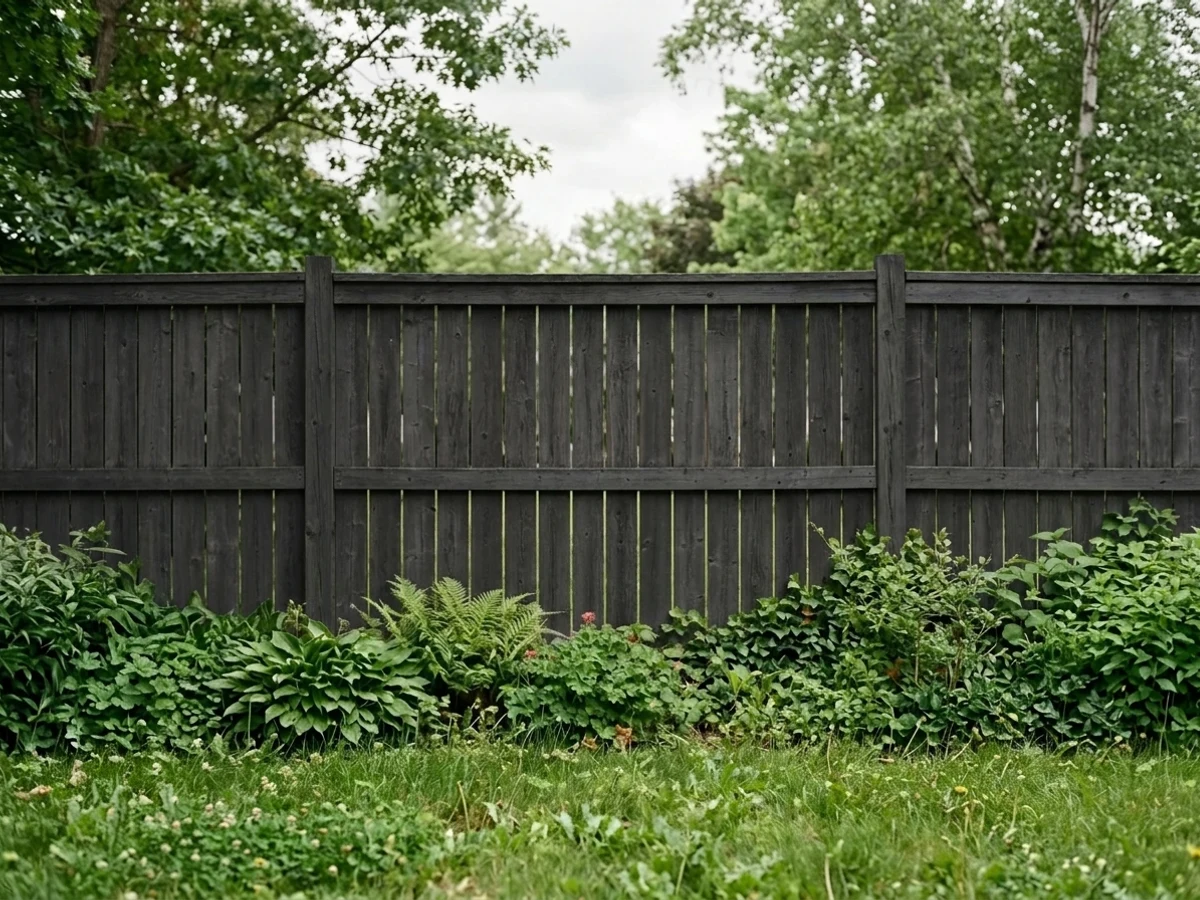
The true black that makes every plant in front of it pop.
Stain my fence in Tricorn BlackNaturals & Browns
The classic well-kept-wood brown — warm without going orange.
Stain my fence in Rookwood Brown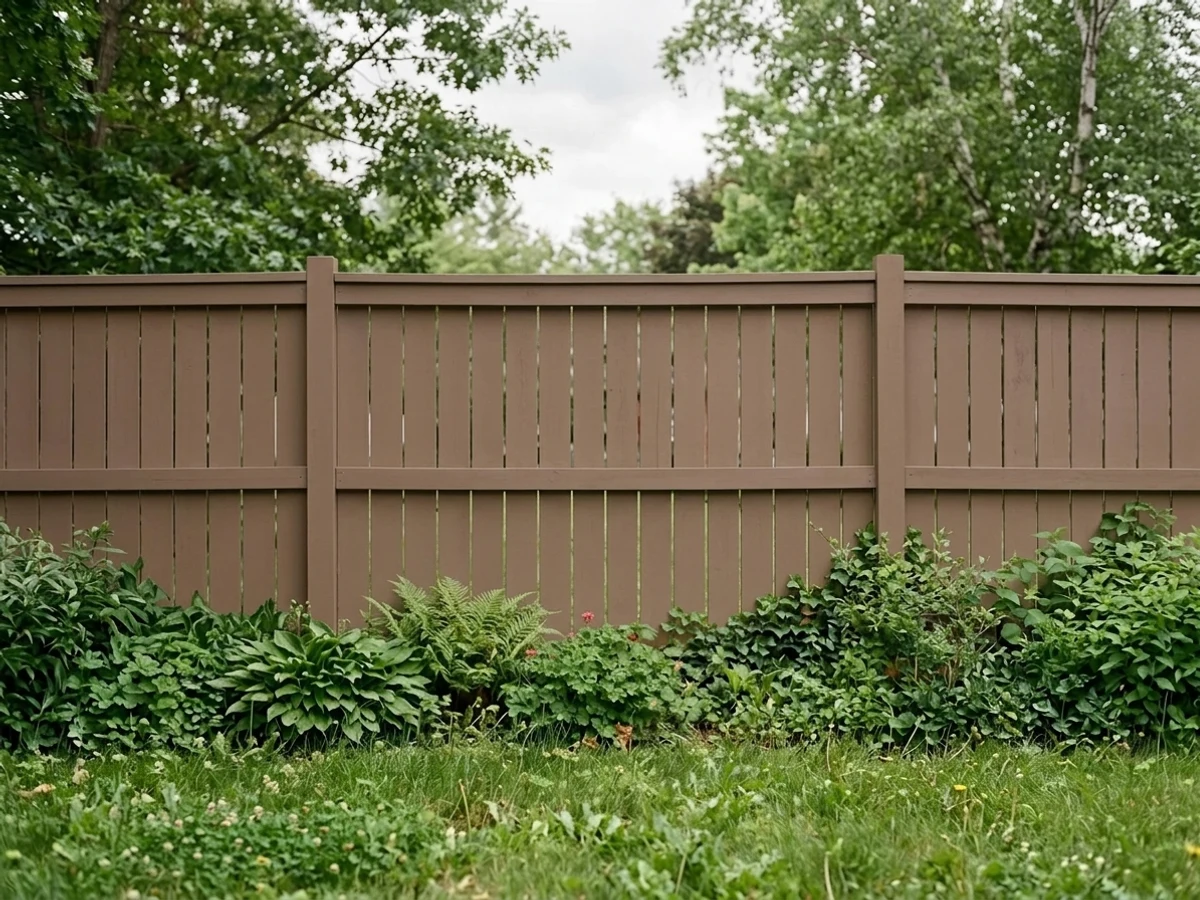
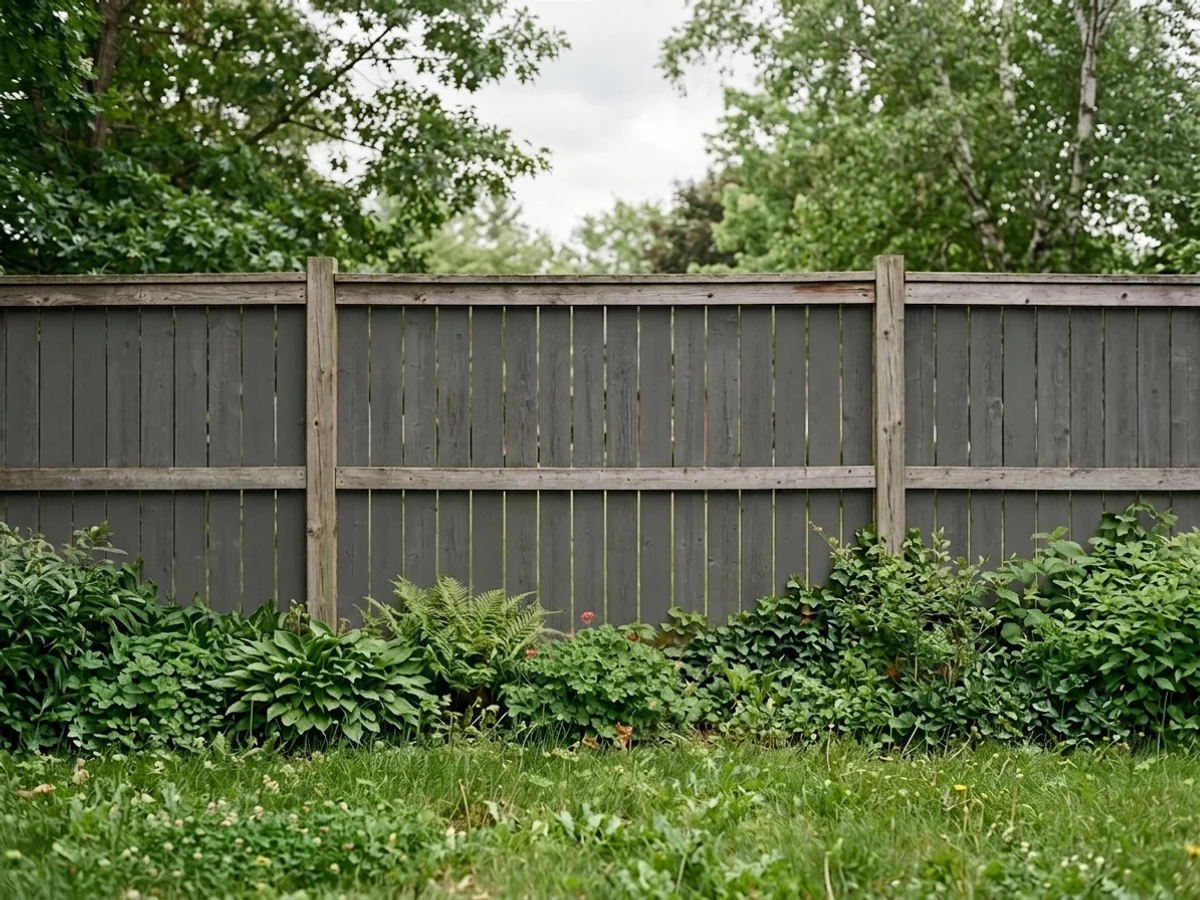
Espresso-dark — most of the black-fence effect at half the drama.
Stain my fence in Turkish Coffee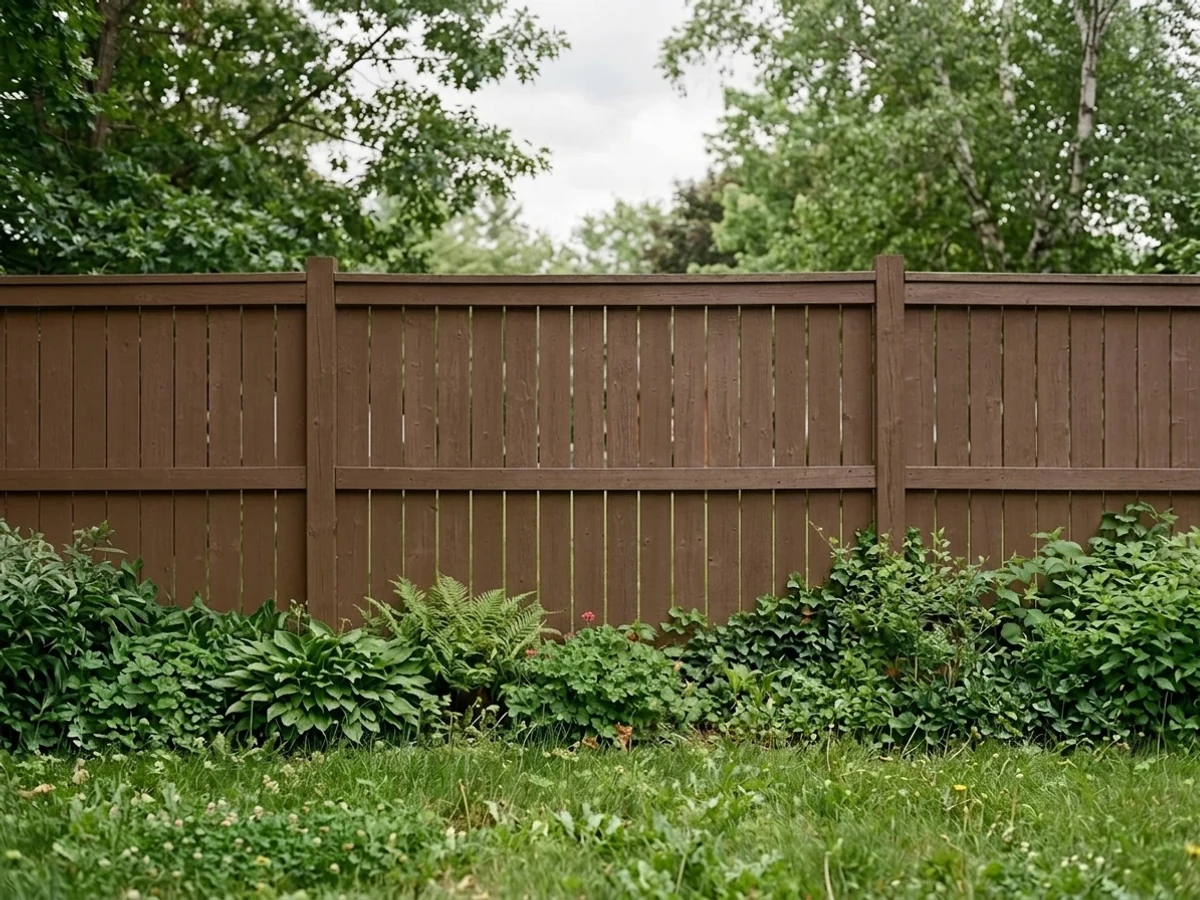
Grays & Driftwood
The mid-gray that reads as perfectly weathered wood, minus the wait.
Stain my fence in Gauntlet Gray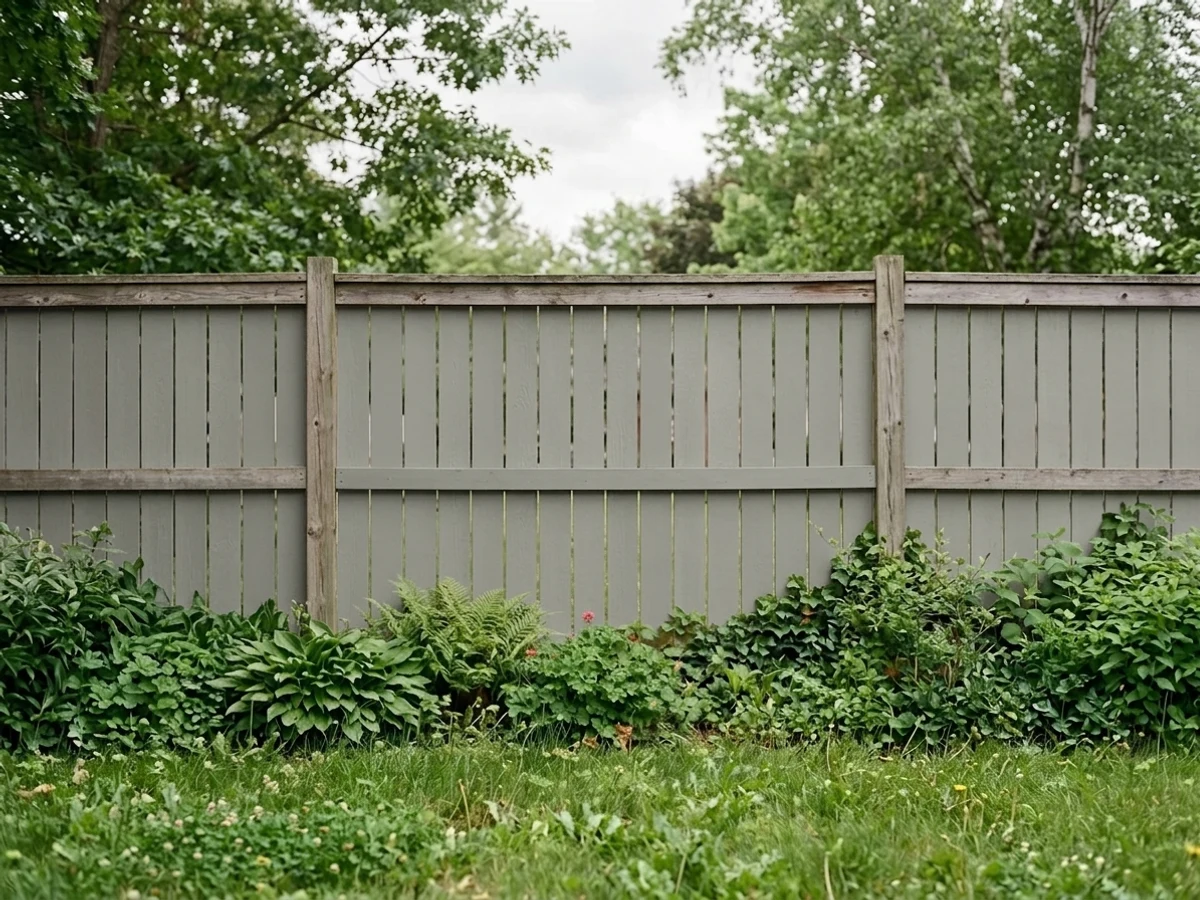
Black & Statement
The true black that makes every plant in front of it pop.
Stain my fence in Tricorn BlackSoft near-black — the safest way into the black-fence trend.
Stain my fence in Wrought Iron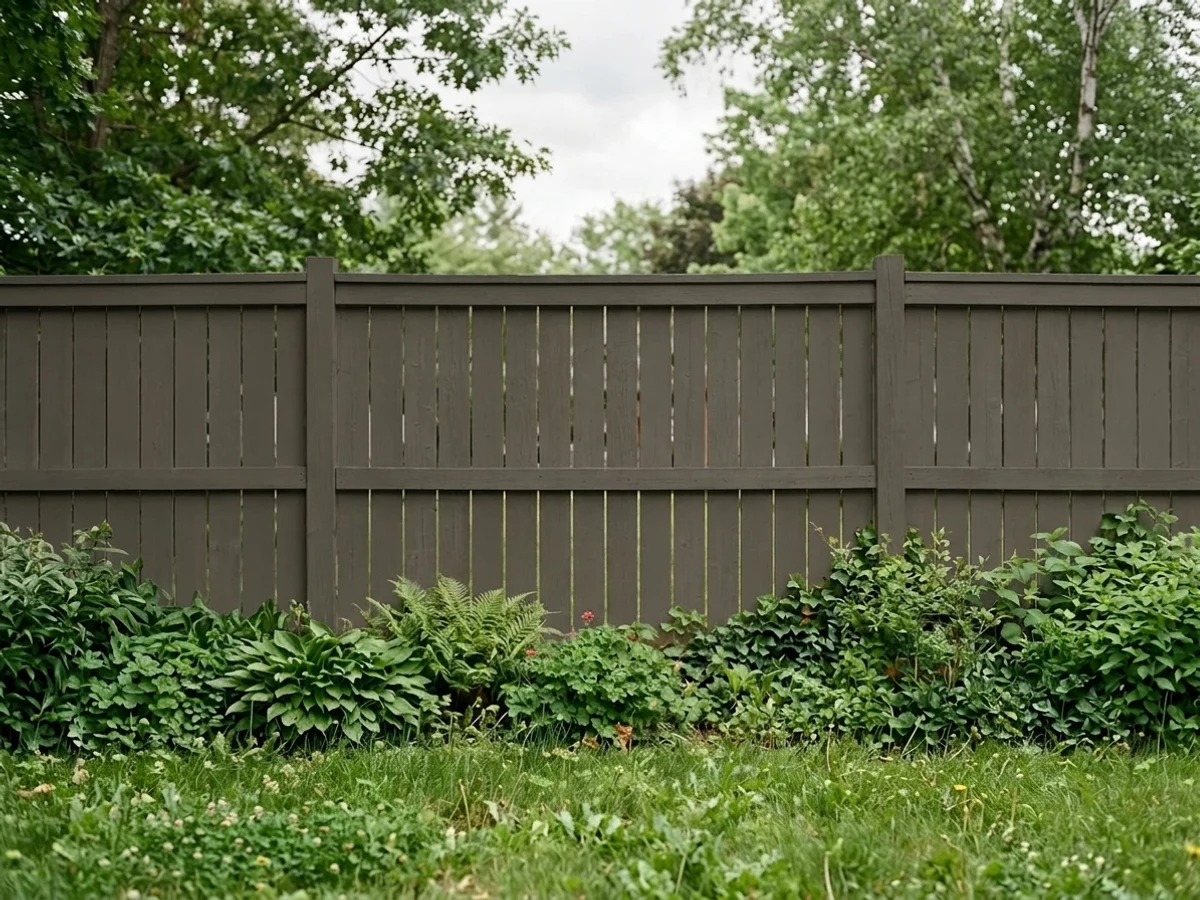
Fence Stain Colors by Tone
Fence color comes down to four families. The swatches below are screen approximations — stain shifts with the wood species, the age of the boards, and the number of coats. That is exactly why a preview on your own fence beats a color card taped to one picket. The painted-white group uses exact paint codes.
Naturals & Cedar
The fresh-cut-wood look — what most people mean by "just stain it". Warm, safe with nearly any house color, and the tone that makes a new cedar fence read expensive instead of orange.
Grays & Driftwood
A fence that weathered perfectly — without the ten-year wait or the blotches. Gray stain forgives more on old boards than any other color. It is the natural pick next to white, gray, and blue houses.
Black — the Statement Fence
The biggest fence trend of the decade, and it earns the hype. A black fence recedes; the plants in front of it pop and the yard reads bigger. Solid black stain is the usual product — see below before you commit.
White & Painted Looks
The classic picket-fence palette. These are paint colors with real codes, not stains, so the swatches here are exact. White paint means recoating every few years — the visualizer lets you decide if the look is worth it first.
Why the Black Fence Took Over
Ten years ago a black fence was a designer move. Now it is the most-asked-about fence color there is, for practical reasons, not just Pinterest ones.
Dark boundaries recede. The eye reads the greenery in front of the fence instead of the fence itself, so gardens look lusher and small yards feel deeper. Black also hides what ruins light fences: dirt splash at the bottom rail, algae shadows, sprinkler stains. Most black fences are done with a solid black stain rather than paint, so the wood texture survives and recoating stays easy.
It is still a commitment. Black boards run hot in full sun. Pollen film shows in spring. Against some house colors, dark brick especially, a black perimeter can feel heavy. That judgment is impossible from a two-inch swatch and takes ten seconds in the visualizer: upload the yard photo, say "stain the fence black", and look at the whole scene. Too much? Charcoal and espresso give you most of the effect at half the drama.
It Depends on the Fence
Wood, chain link, and vinyl each want a different answer — get this part right before you pick a color.
Wood Fences
Stain penetrates instead of forming a film — it fades and wears rather than peeling. Semi-transparent suits newer cedar; solid stain is the honest answer for older, grayed, or previously coated boards. Paint earns its place only when the crisp, opaque look is the goal — the white picket fence — and you accept the recoat cycle.
Chain Link & Metal
Stain has nothing to soak into on galvanized mesh. A rust-inhibiting direct-to-metal paint is the right tool, and flat black is the classic choice — it makes the fence visually vanish into the planting behind it. Deal with any rust first.
Vinyl Fences
Vinyl expands with heat, and a darker color makes panels absorb more sun — enough to warp or sag them. Painting typically voids the manufacturer’s warranty. Preview alternatives before deciding between repainting risk and replacement.
Stain a Fence Once, Not Every Summer
A fence has two weather faces and never gets shade from the house, so the same deck-stain promise on the can rarely survives out there. The coat that lasts is mostly prep.
Wash, Then Wait
Wash the fence first — gray mill glaze and algae shed stain like wax sheds water — then give it two or three dry days before you open a can.
Spray and Backbrush
The sprayer gets stain into every gap and end grain fast; the brush behind it works it into the wood instead of leaving a film on top.
Pick the Product by Age
Semi-transparent flatters boards young enough to show off. Solid stain is the honest choice for a fence that has already grayed, blotched, or worn its last coat unevenly.
Match the Fence to the House
A fence is the largest painted or stained surface in most yards — bigger than the deck, sometimes bigger than the visible house wall. Its color is a backdrop decision, not an accent one. The reliable recipe: echo something already on the house.
The visualizer works from your photo, so the coordination check is built in — the house, the fence, and often the deck are all in frame at once. Re-staining both wood surfaces? Test them in the same session so the tones agree. Matching fence and deck stain is the cleanest look; a one-step difference (cedar deck, darker fence) is the safe alternative. Chasing a specific style, like the black-fence-white-house modern farmhouse look? Start from the house style page and work outward.
One photo that shows both, and the visualizer paints each surface separately.
Fence Stain FAQ
Can I see the stain on my own fence before I buy?
Yes. Upload one photo of your yard, name a stain or pick one above, and the fence gets re-stained in that color while the lawn, plants, and house stay untouched — so you judge it in your own light.
Should I stain or paint my fence?
Wood fences want stain — it wears instead of peeling. Chain link and metal fences want a rust-inhibiting direct-to-metal paint, usually flat black. Vinyl mostly should not be painted at all: dark colors can make panels absorb enough sun to warp.
Why are so many fences being painted black?
A dark fence recedes, so the plants in front of it pop and small yards read bigger. It also hides what ruins light fences — dirt splash, algae shadows, sprinkler stains. Most black fences use a solid black stain, not paint, so the wood texture survives.
Should the fence match the house or the deck?
The reliable rule is to echo something already fixed — a gray fence picking up the roof, a cedar fence warming up a white house, a black fence framing a light one the way shutters do. Matching the fence and deck stain is the cleanest look of all.