See Your Shutters in Any Color
One photo of the front of your house. Repaint just the shutters — black, navy, bottle green, anything — while the siding, brick, trim, and roof stay exactly as they are. Shutters are the cheapest exterior update there is, and the easiest to get wrong from a two-inch color card.
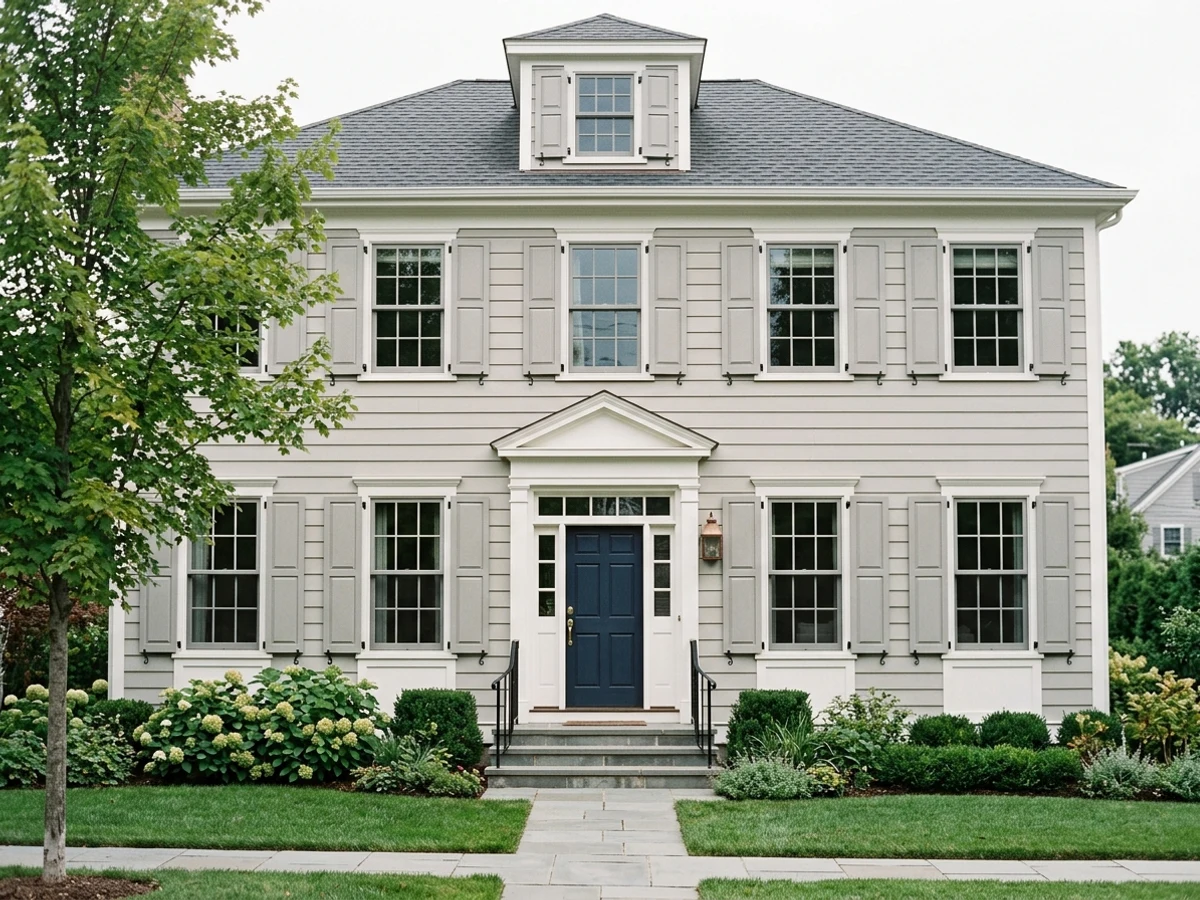
One House. Twelve Shutter Colors.
Every photo below is a real render from this tool — the same house, only the shutters repainted. Black is the most popular shutter color in America and it is not close, but navy and deep green are the two ways to be one step less expected.
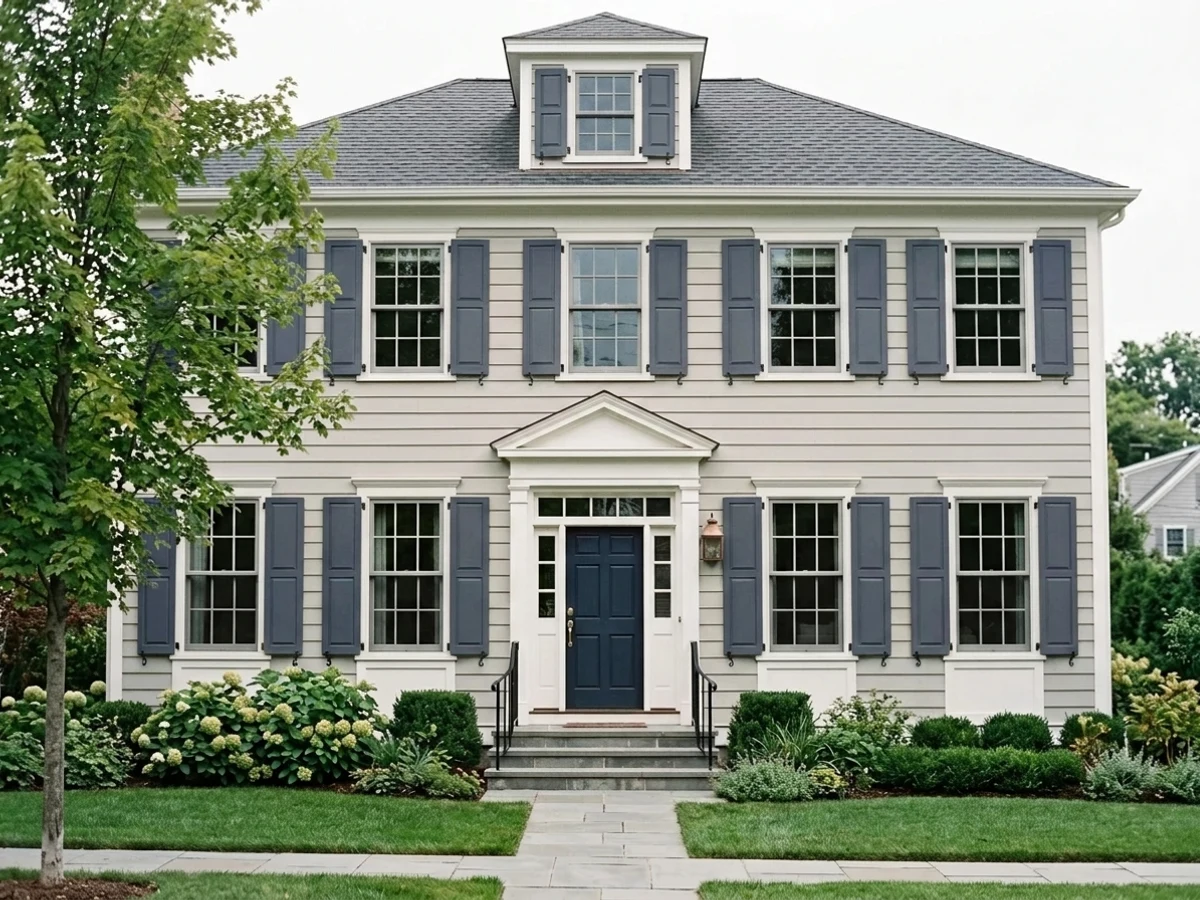
The navy that shows up on more shutters than any other — classic on white and yellow.
Paint my shutters in Hale Navy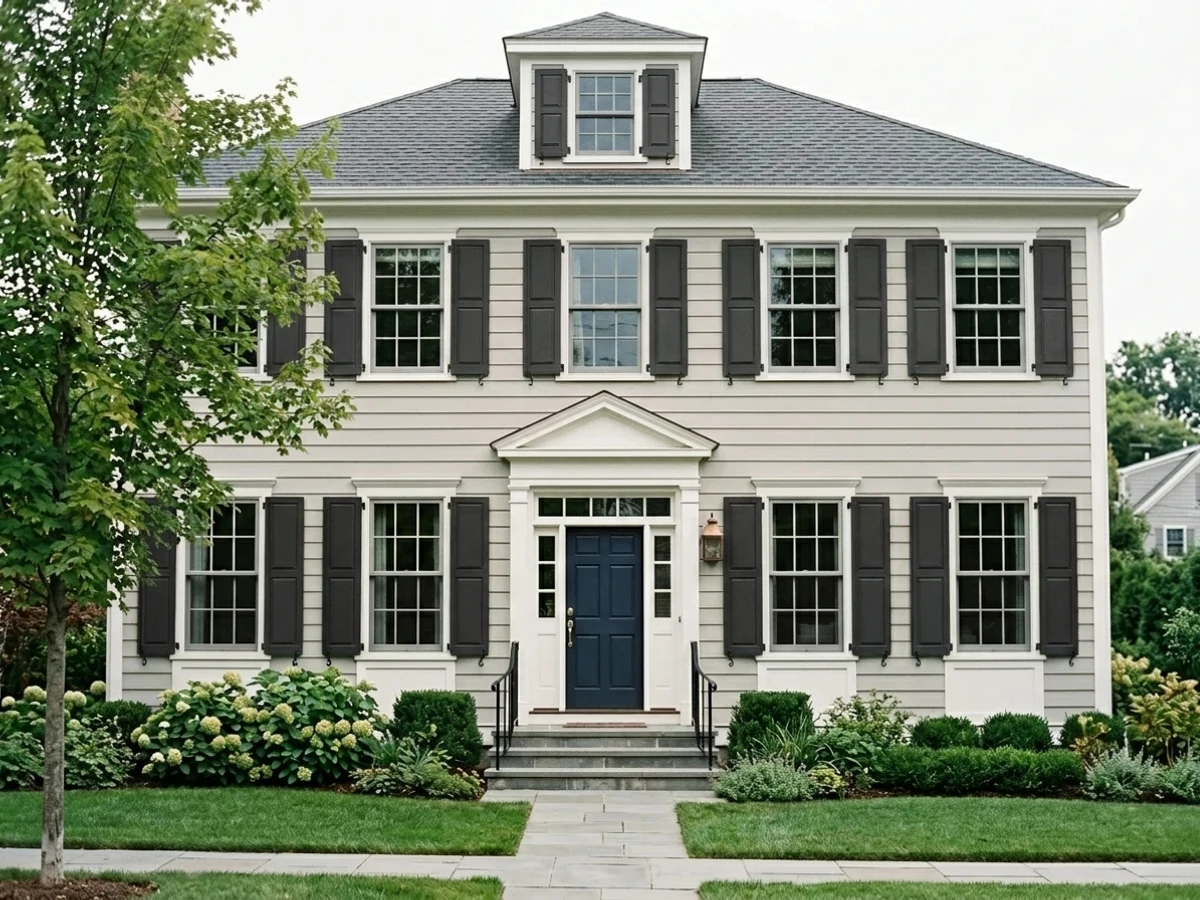
The default shutter black — true black, no blue cast, works on almost any siding.
Paint my shutters in Tricorn Black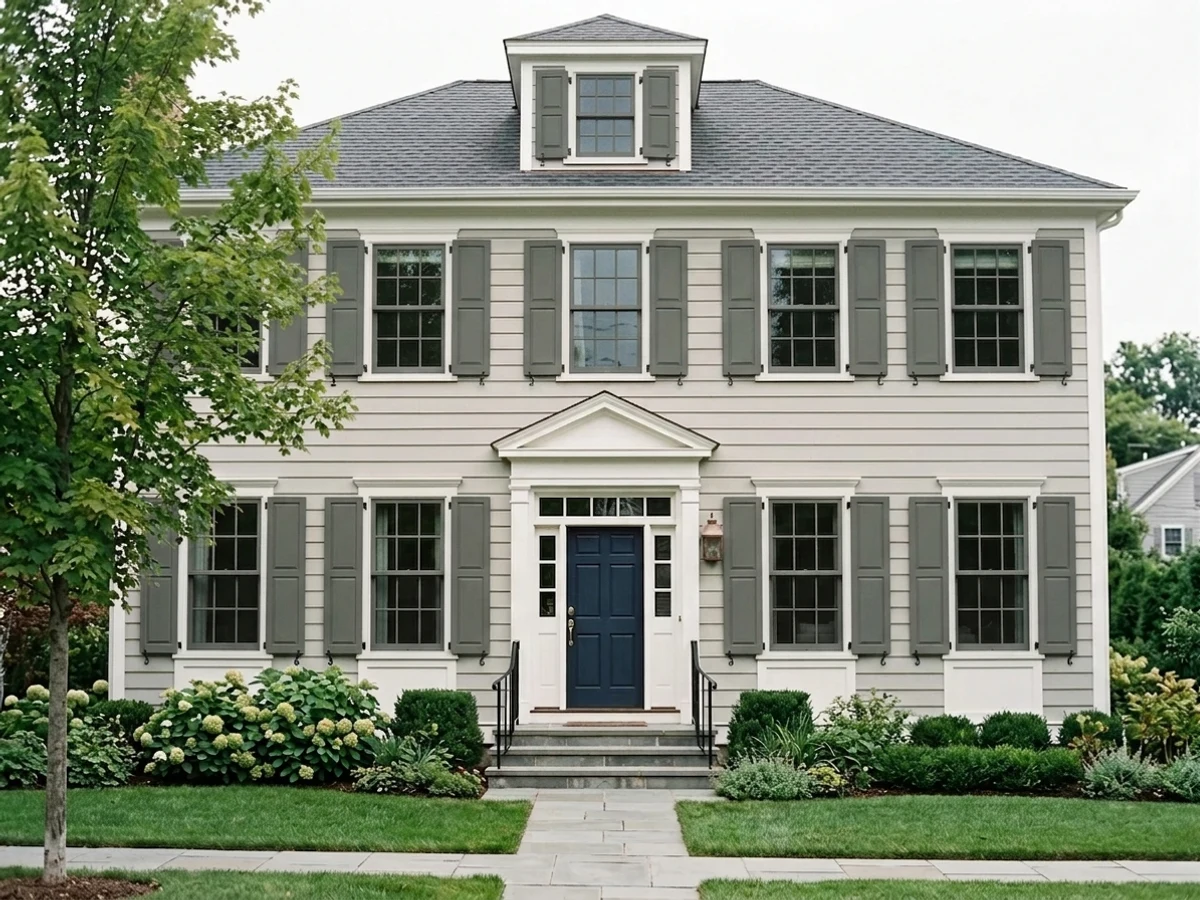
Muted sage-green — the friendliest green on tan and beige siding.
Paint my shutters in Pewter Green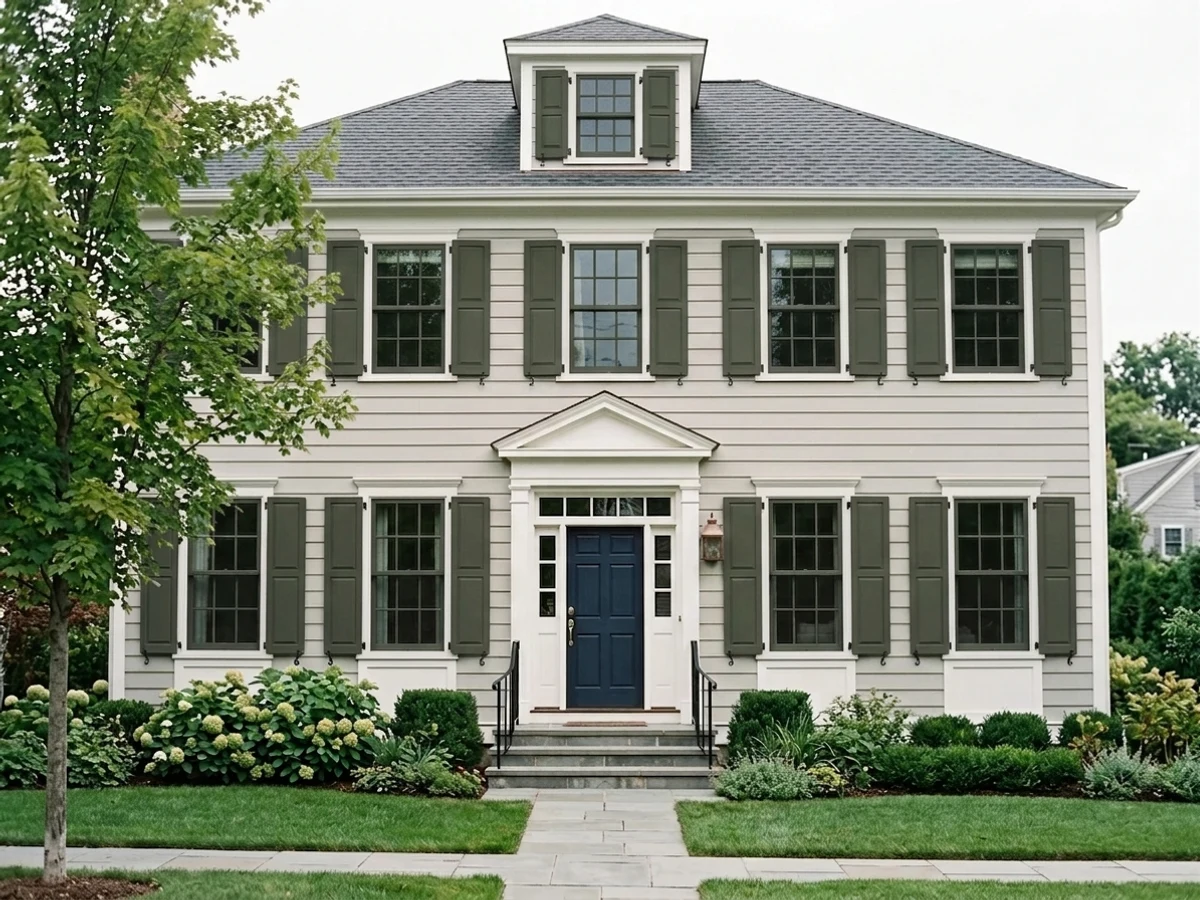
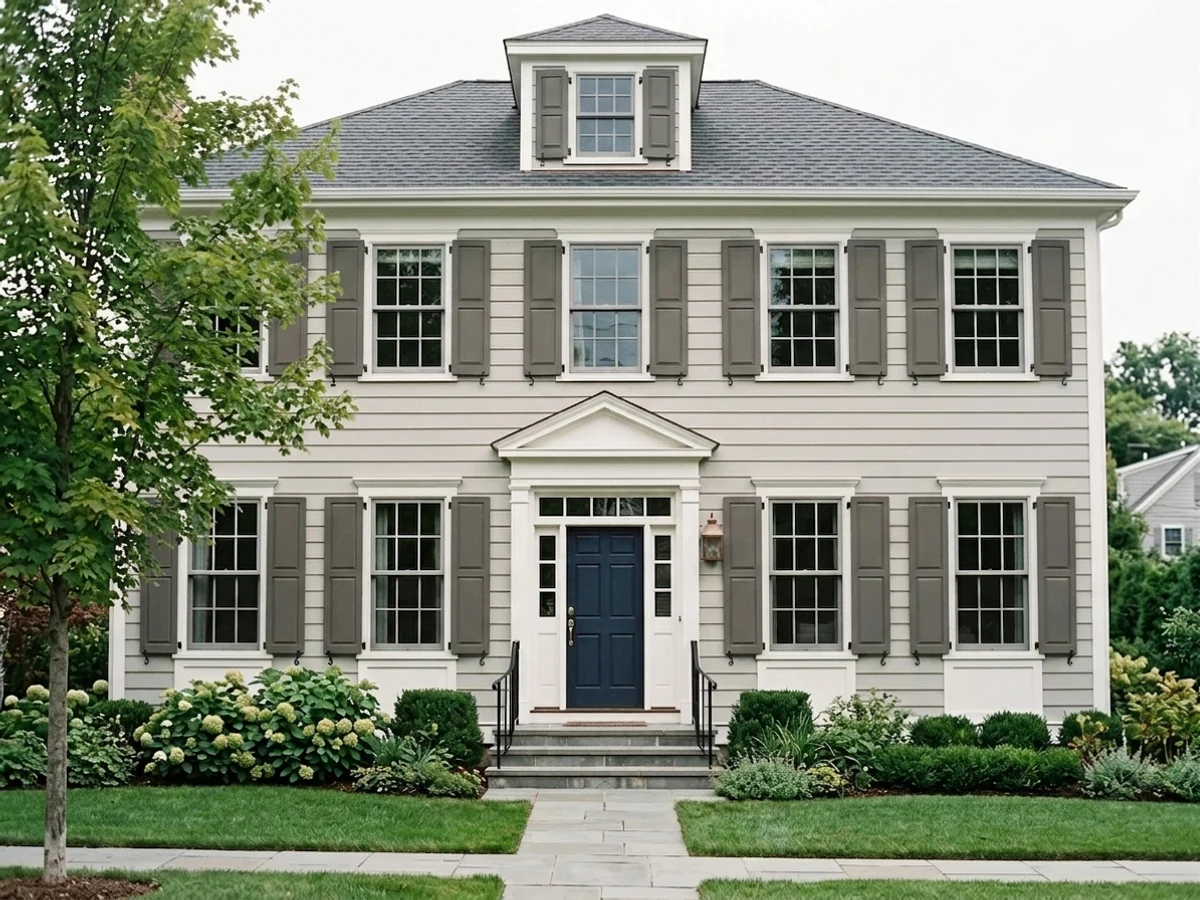
Deep forest green — the classic brick-house shutter, one step off black.
Paint my shutters in Laurel WoodsBlacks & Charcoals
The default shutter black — true black, no blue cast, works on almost any siding.
Paint my shutters in Tricorn Black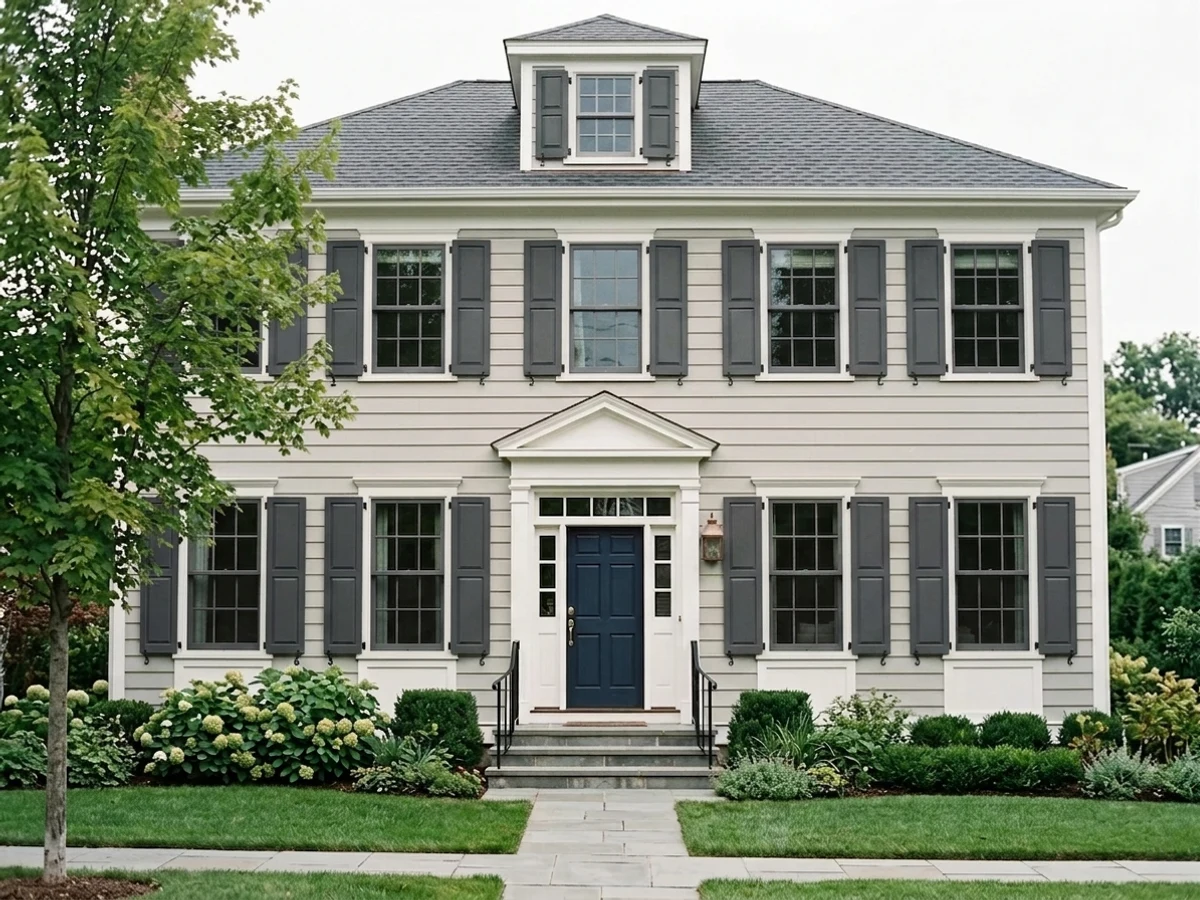
A soft near-black that sits into warm siding instead of floating on it.
Paint my shutters in Iron Ore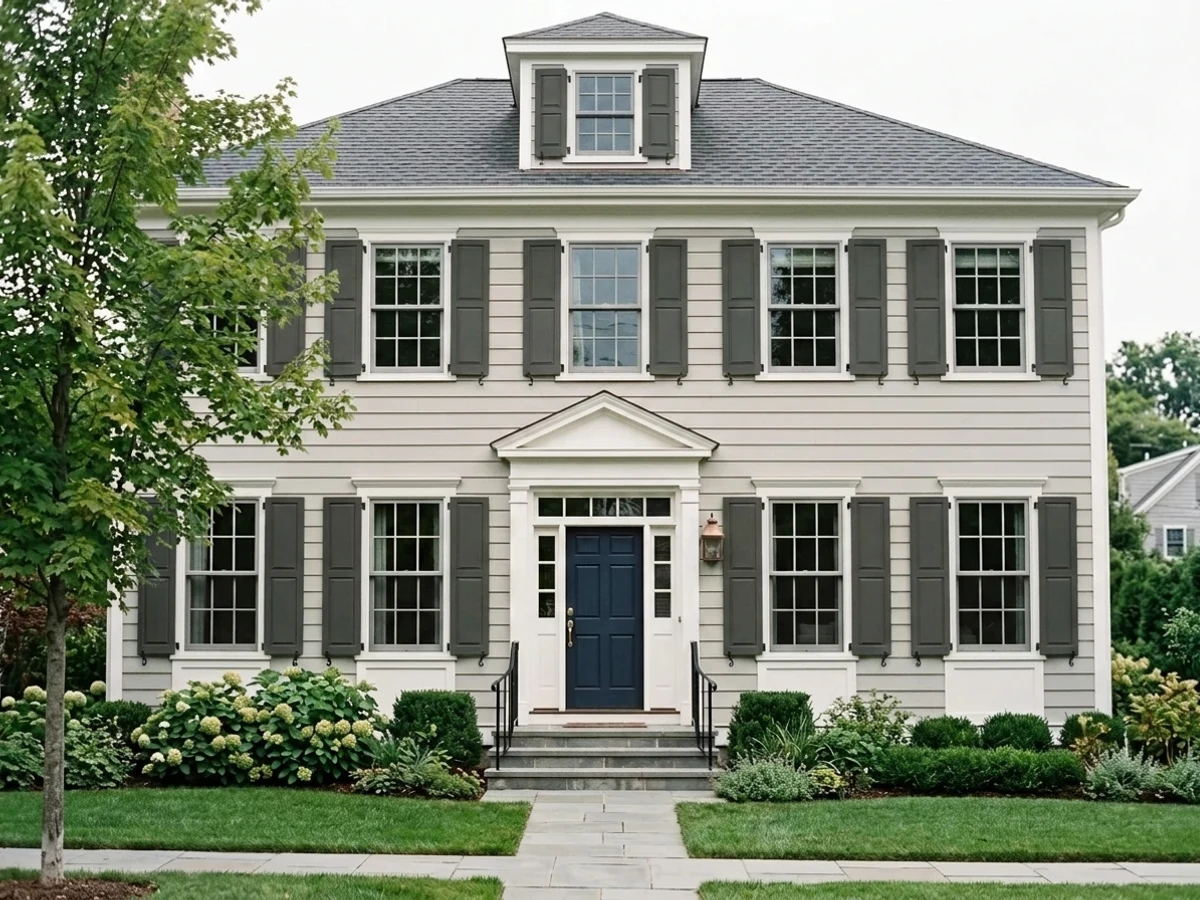
Navys & Blues
The navy that shows up on more shutters than any other — classic on white and yellow.
Paint my shutters in Hale Navy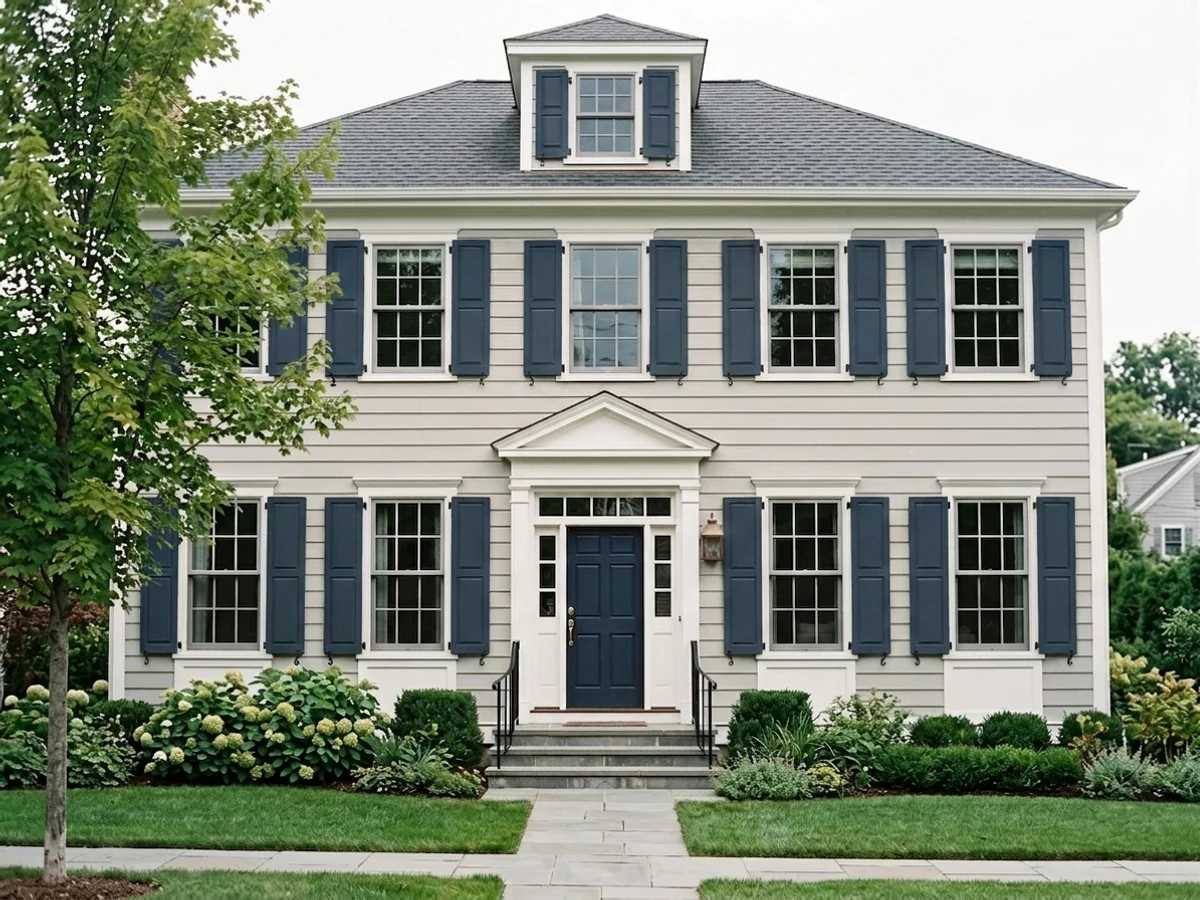
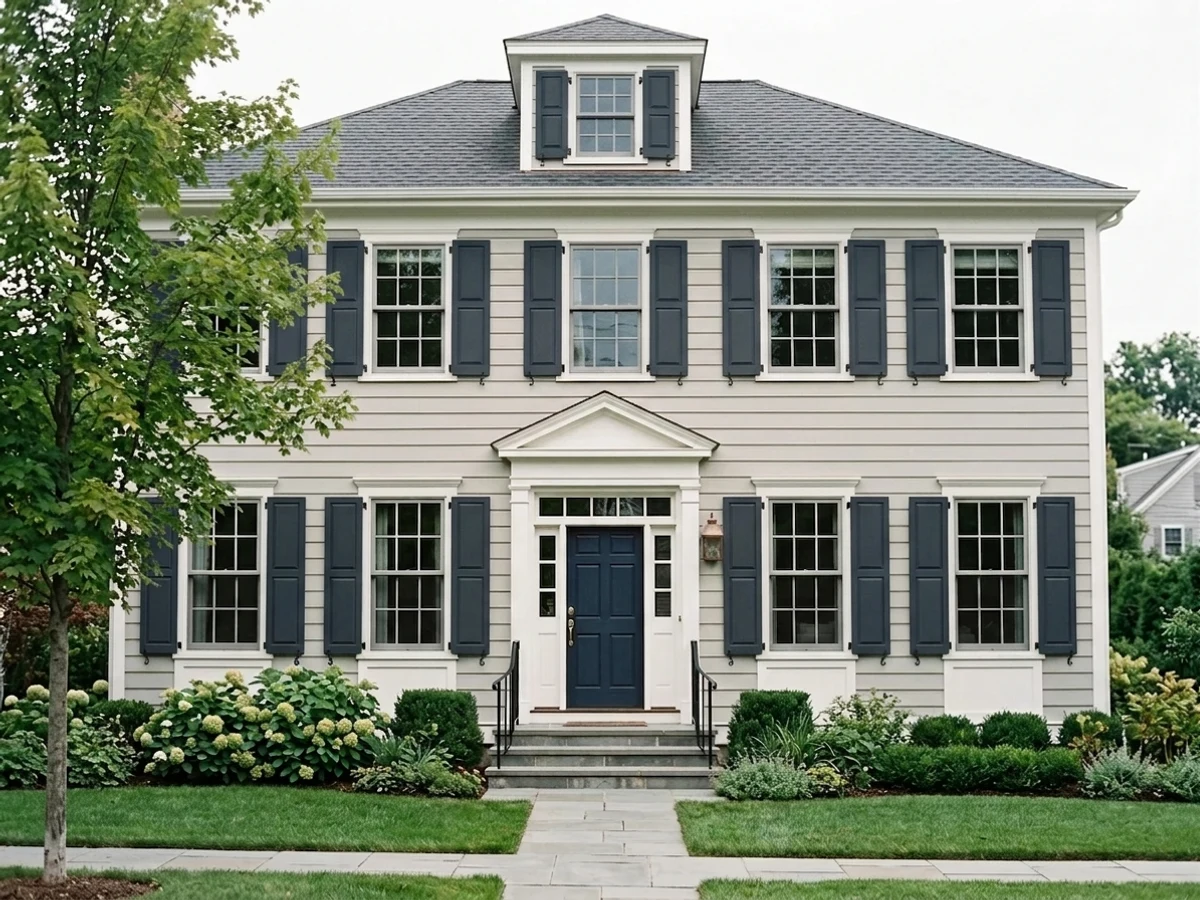
A moody blue-teal for when plain navy feels too expected.
Paint my shutters in Dark Night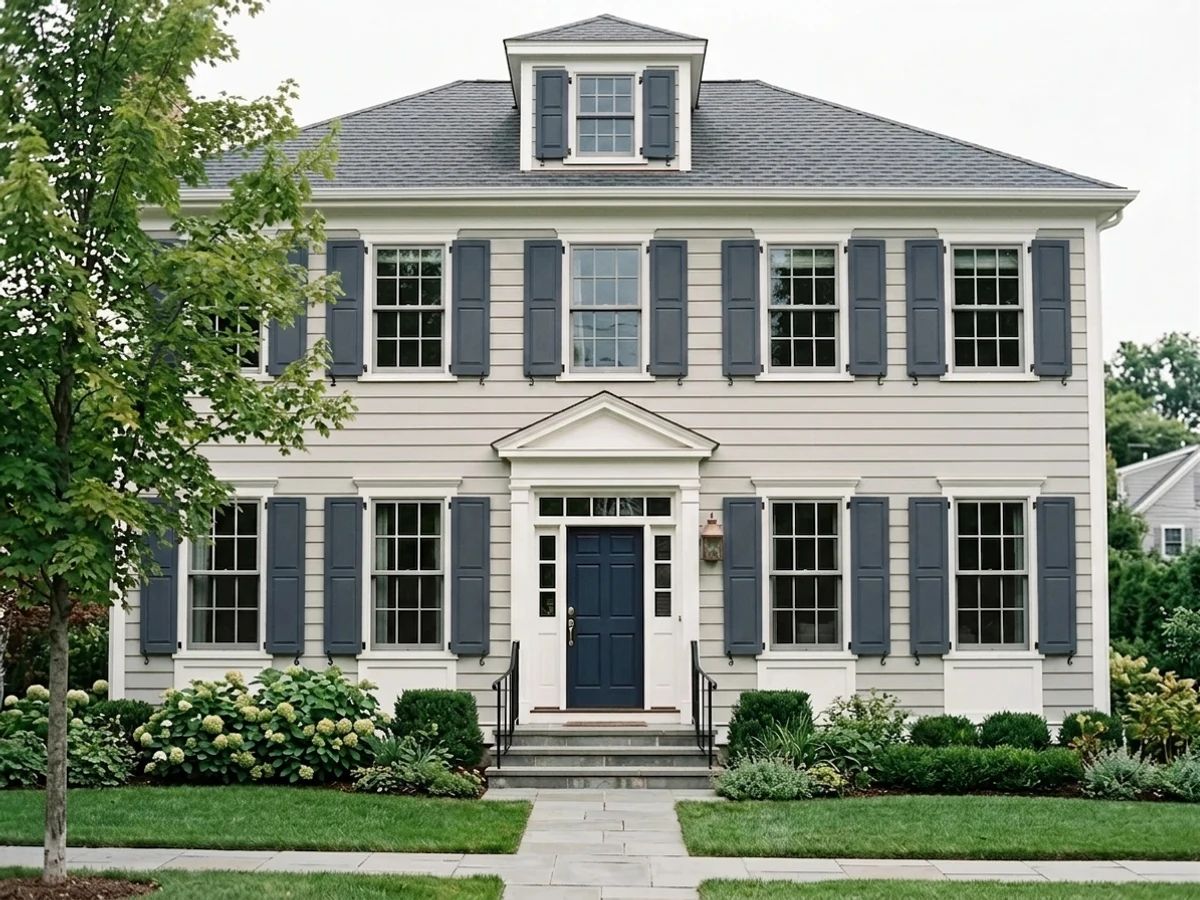
Greens
Muted sage-green — the friendliest green on tan and beige siding.
Paint my shutters in Pewter Green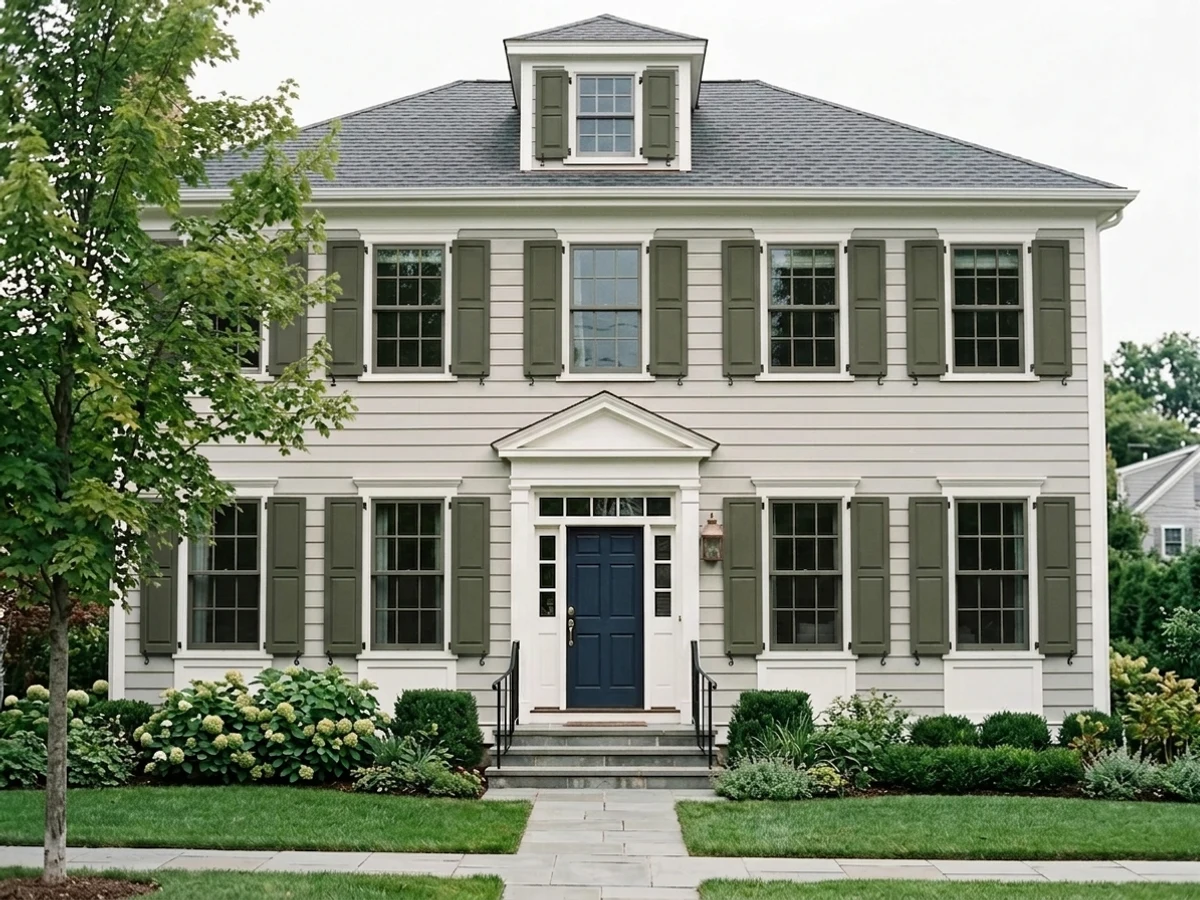
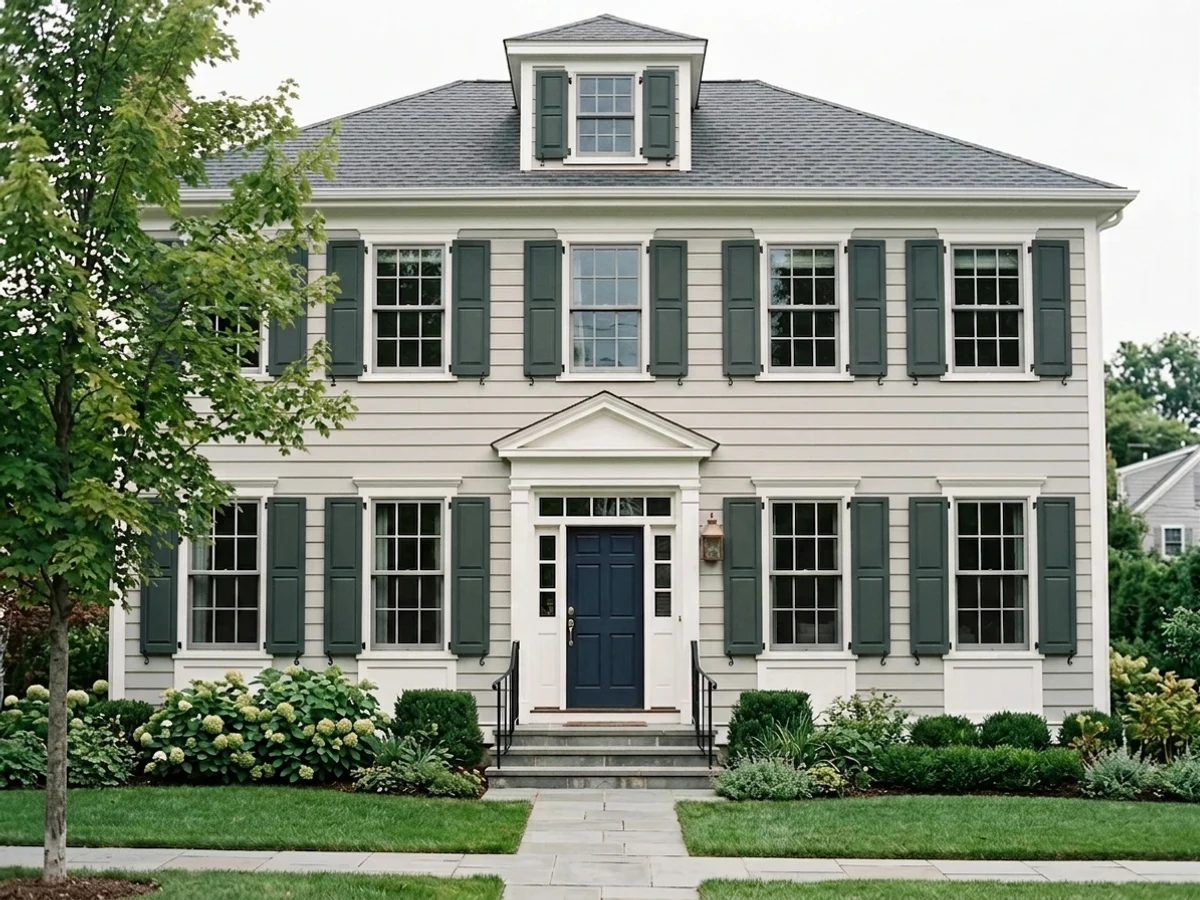
Deep forest green — the classic brick-house shutter, one step off black.
Paint my shutters in Laurel WoodsShutter Colors by Siding Color
Shutter color is not a choice about the shutters — it is a choice about what they sit next to. The same navy that looks sharp on yellow siding can vanish on gray. These are the pairings that keep getting chosen, with real, buyable colors. We are not affiliated with any brand.
Red Brick House
Red brick is warm and busy, so the shutters should be quiet and deep. Near-blacks and bottle greens read as classic against brick; a soft off-white works when the mortar and trim are already light.
Yellow Siding
Yellow wants a cool, deep anchor. Navy is the textbook pairing, dark green is the cottage version, and a charcoal or crisp white keeps a bright yellow from turning cartoonish.
Tan & Beige Siding
Beige is warm, so cold jet-black can feel pasted on. Warm bronze-blacks, muted greens, and soft near-blacks sit into tan siding instead of floating on top of it.
White House
A white house takes almost anything, which is why black shutters on white is the single most copied exterior in America. Navy, green-black, and softer charcoal are the ways to be one step less expected.
Gray House
On gray siding the risk is mush — a mid-gray shutter disappears. Go clearly darker, clearly lighter, or bring in a color: deep blue and muted green both wake gray siding up.
On a brick house the shutters are only half the decision — mortar, trim, and door all pull on each other. Our brick house color guide covers the whole facade.
Can You Paint Vinyl Shutters?
Yes — and since most shutters sold in the last thirty years are vinyl, this is usually the real question.
Faded vinyl takes paint well if you do two things right. First, get it genuinely clean. Chalky oxidation is why paint peels off vinyl, so wash with soapy water or a vinyl-safe cleaner and rinse until a wiped finger comes away clean. Second, use an exterior acrylic that bonds to vinyl — most major brands make one. No primer is needed on sound, cleaned vinyl; spot-prime only bare or repaired areas.
The one hard rule is heat. Dark colors absorb sun, and vinyl that runs hotter than it was engineered for warps and buckles — a real risk on south- and west-facing walls. On sun-baked elevations, stay at or lighter than the original shutter color, or pick a "vinyl-safe" dark formula, which uses reflective pigments to run cooler. White vinyl painted black on a shaded north wall is usually fine. The same move on a full-sun facade is where warped shutters come from.
Proportions Sell Shutters More Than Color Does
Shutters started as working storm protection, and the eye still judges them by that logic — a shutter looks right when it could plausibly close.
Size Them to the Window
Half the window's width and the full height of the opening. Most builder-grade shutters come in one or two stock widths no matter the window they flank, which is why so many facades feel vaguely off even when the color is perfect.
Skip Windows That Don’t Fit
A wide picture window would need panels nobody could believe; paired or mulled windows leave no wall for the second shutter to land on. Skipping shutters there reads more intentional than flanking every window out of symmetry.
Keep Every Shutter the Same Color
Shutters are a repeating element, and repetition is what makes them look deliberate. If you want variety, put it in the front door instead — and if the shutters are badly undersized or warped, taking them down can beat repainting them.
Match the Shutters to the House
The four pairings people keep coming back to — a starting point before you try your own siding color above.
Upload the front of your house and the visualizer repaints only the shutters.
How to Paint Shutters
Take Them Down
Shutters are typically held by four to six screws or plastic fasteners, and painting them flat on sawhorses gives a dramatically better finish than cutting in on the wall. Label each one by window, wash, and let them dry.
Prime and Coat
Prime bare wood or any repairs; sound existing finishes usually need none. Then two thin coats of exterior paint, never one heavy one — thin coats level out over louvers without drips and last longer. Scuff-sand glossy painted wood first; skip sanding on vinyl.
Cure, Then Rehang
Let the final coat cure a day before rehanging. A small foam roller plus a brush for the louver slots works; spraying is faster if you have the setup. Most houses take an afternoon.
Shutters and the front door share the accent role on a facade, so decide their relationship on purpose. Match them for a calm, traditional look, or let one carry color while the other stays neutral. What fails is two competing statements — red door and green shutters both shouting. The easy test is to preview them together: repaint the shutters, then try door colors in the same photo and see which pairing settles down. If a bigger repaint is on the table, start with the whole-house visualizer and work from the body color outward.
Shutter Color FAQ
Can I see a shutter color on my own house before I buy?
Yes. Upload a photo of the front of your house, name a color or pick one above, and just the shutters get repainted — siding, brick, trim, and roof stay exactly as they are.
Can you paint vinyl shutters?
Yes. Clean off any chalky oxidation first, since that is why paint peels off vinyl, then use an exterior acrylic that bonds to vinyl. No primer is needed on sound, cleaned vinyl. Stay at or lighter than the original color on full-sun walls — dark vinyl can warp in heat.
What size should my shutters be?
Half the window's width and the full height of the opening — the classic test is whether the shutter could plausibly close over the window. Most builder-grade shutters ignore this, which is why a facade can look off even when the color is right.
Should the shutters match the front door?
Not necessarily. Match them for a calm, traditional look, or let one carry color while the other stays neutral. What fails is two competing statements — try both together in the visualizer before you commit.